
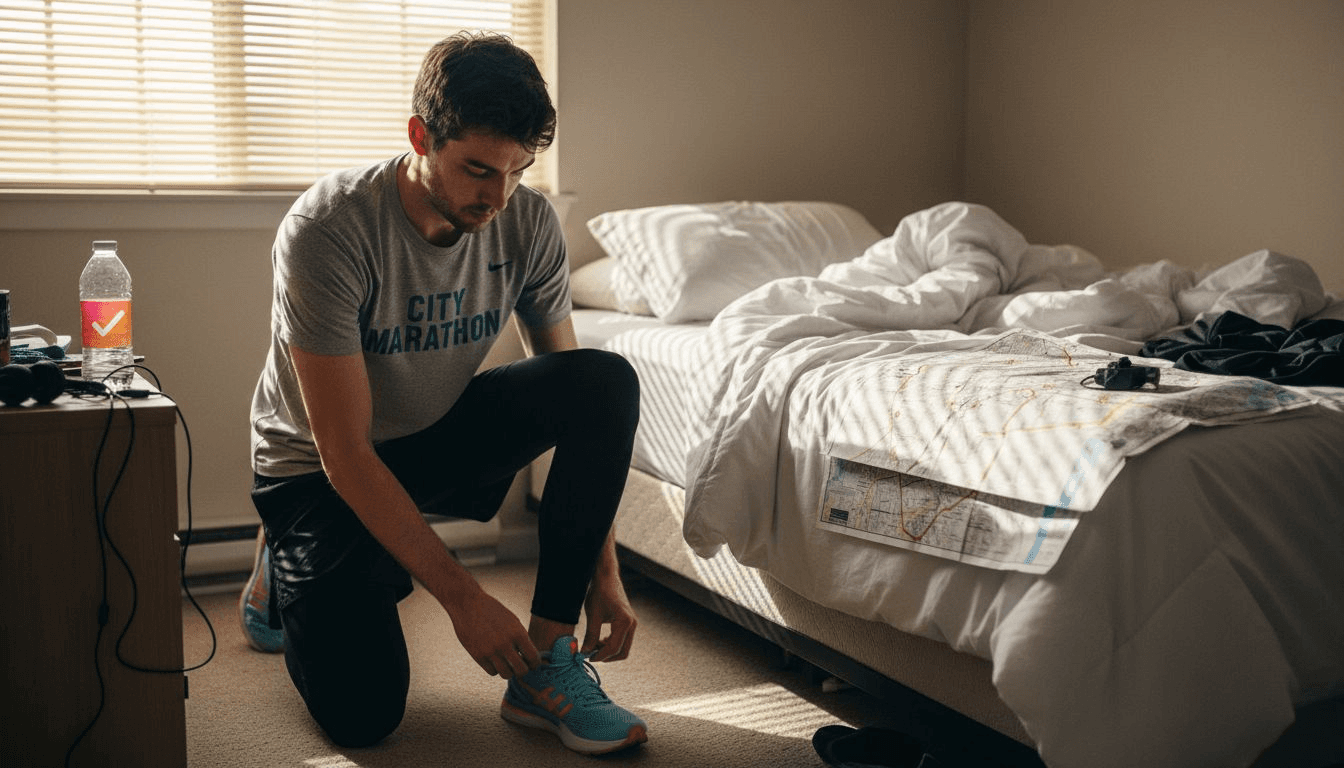
Starting to run is exciting, but many beginners make critical mistakes that lead to injury or burnout. 60% of beginner running injuries stem from training errors like increasing mileage too quickly or skipping essential rest days. A personalized, gradual training plan solves this by building fitness safely while preparing you to cross your first finish line. This guide walks you through creating an effective beginner running plan step by step.
Table of Contents
- Prerequisites And Preparation For Beginner Running Plans
- Step-By-Step Training Plan Creation For Beginners
- Personalization And Customization Of Your Training Plan
- Common Mistakes And Troubleshooting For New Runners
- Safety And Injury Prevention Guidelines
- Expected Results And Outcomes From Your Training Plan
- Explore Personalized Running Plans With Improvio
- Frequently Asked Questions About Making A Training Plan
Key takeaways
| Point | Details |
|---|---|
| Progressive training prevents injury | Increase running time by no more than 10% weekly using walk/run intervals to build endurance safely. |
| Personalization boosts success | Customizing pace and schedule to your fitness level improves adherence and reduces dropout rates. |
| Essential tools support progress | GPS apps and proper running shoes help track performance and prevent common beginner mistakes. |
| Rest days are non-negotiable | Recovery periods allow your body to adapt and prevent overtraining injuries that sideline new runners. |
| Results appear quickly | Most beginners notice fitness improvements by week 6 and achieve race readiness within 8-12 weeks. |
Prerequisites and preparation for beginner running plans
Before you start your first training week, gather the right gear and knowledge to set yourself up for success. Proper running shoes and GPS devices improve training safety by helping you monitor intensity and prevent overuse injuries.
Your most important investment is a pair of running shoes fitted specifically for your foot type and gait pattern. Visit a specialty running store where staff analyze your stride and recommend appropriate cushioning and support. Generic athletic shoes often lack the structure needed for repetitive running impact.
Tracking tools help you stay within safe training zones as a beginner. A GPS watch or smartphone running app records your pace, distance, and route while providing real-time feedback. Many free apps like Strava or RunKeeper offer beginner running program with walk/run intervals built into their platforms.
Pro Tip: Schedule your running days at the same time each week to build a consistent habit that fits your lifestyle and energy patterns.
Assess your current fitness honestly before creating your plan. Can you walk briskly for 30 minutes without excessive fatigue? This baseline indicates readiness for a structured running program. If not, start with daily walking to build cardiovascular foundation first.
Essential preparation checklist:
- Professional running shoe fitting based on your gait analysis
- GPS watch or smartphone with a reliable running app installed
- Moisture-wicking clothing appropriate for your local weather
- Water bottle for hydration during and after runs
- Weekly schedule identifying realistic training days
- Basic understanding of perceived exertion scale (RPE 1-10)
| Preparation Item | Purpose | Estimated Cost |
|---|---|---|
| Running shoes | Injury prevention and comfort | $80-150 |
| GPS app subscription | Progress tracking and guidance | Free-$10/month |
| Technical clothing | Temperature regulation | $40-100 |
| Initial fitness assessment | Safe starting point identification | Free |
Recognize early warning signs that indicate you need extra recovery time. Persistent muscle soreness lasting more than 48 hours, unusual joint pain, or extreme fatigue signal that your body needs additional rest before the next workout.
Step-by-step training plan creation for beginners
Building your personalized training plan follows a proven sequence that gradually adapts your body to running demands. Weekly structure alternating walking and running intervals provides the safest foundation for new runners pursuing their first race.
Creating your beginner training plan:
-
Assess your baseline fitness level. Complete a walk/run test where you alternate 1 minute running with 2 minutes walking for 20 minutes total. Note how you feel during running segments and your recovery between them.
-
Choose realistic training days. Select 3-4 non-consecutive days per week that align with your work schedule and energy levels. Morning runners often find better consistency than evening trainers who face daily fatigue.
-
Design your first week structure. Start each session with a 5-minute brisk walk warmup, followed by intervals of 1-2 minutes running and 2-3 minutes walking, then finish with a 5-minute walking cooldown.
-
Apply the 10% rule strictly. Each week, increase your total running time by no more than 10% to allow proper adaptation. If you ran 15 minutes total this week, next week should not exceed 16-17 minutes of running.
-
Schedule mandatory rest days. Plan at least one full rest day between each running session, with two rest days following your longest weekly run to facilitate recovery.
-
Set appropriate intensity targets. Keep your running pace at a moderate effort where you can speak short sentences but not hold a full conversation comfortably.
Pro Tip: Record how you feel after each run in a simple training log to identify patterns in fatigue, motivation, and recovery needs.
| Week | Running Time | Walking Time | Sessions Per Week | Total Workout Time |
|---|---|---|---|---|
| 1-2 | 1-2 min intervals | 2-3 min intervals | 3 | 20-25 min |
| 3-4 | 3-5 min intervals | 2 min intervals | 3-4 | 25-30 min |
| 5-6 | 8-10 min intervals | 1-2 min intervals | 3-4 | 30-35 min |
| 7-8 | 15-20 min continuous | 5 min walk breaks | 3-4 | 35-40 min |
Your pace during these early weeks matters less than completing the time targets. Focus on consistent effort at a conversational intensity rather than speed. Most beginners naturally improve pace by 15-20% within the first 8 weeks simply through regular training.

Adjust your plan weekly based on recovery quality. If you feel unusually tired or sore, repeat the previous week's structure rather than progressing to higher volume. Patient progression prevents the injuries that derail 60% of new runners.
Personalization and customization of your training plan
Transforming a generic plan into your personalized roadmap dramatically improves consistency and results. Personalizing plans around actual pace boosts consistency by 30% compared to following rigid, one-size-fits-all schedules.
Your individual fitness level determines optimal training intensity and progression speed. Runners with prior athletic backgrounds might progress through early stages faster, while completely sedentary beginners benefit from extending foundational phases by 2-3 weeks.
Digital running apps like Improvio automatically adjust your weekly plan based on completed workout data and feedback. These platforms analyze your pace trends, fatigue ratings, and consistency to recommend appropriate progression or recovery modifications.
Pro Tip: If you miss a scheduled run, simply continue from where you left off rather than trying to catch up by doubling workouts or skipping rest days.
Personalization factors to consider:
- Available training time per week based on work and family commitments
- Preferred training times that align with your natural energy patterns
- Current fitness level from baseline assessment results
- Race date and type to work backward from your goal event
- Recovery needs based on age, sleep quality, and stress levels
- Environmental factors like climate, terrain, and safe running routes
Schedule flexibility prevents missed workouts from derailing progress. If you planned to run Tuesday but unexpected obligations arise, shift that session to Wednesday rather than skipping it entirely. Maintaining weekly volume matters more than hitting specific days.
Monitor your fatigue carefully and adjust intensity when needed. Rate your perceived exertion on a 1-10 scale during each run, targeting 3-5 for most sessions. Consistently rating above 6 signals that you need easier workouts or additional recovery time.
Be realistic about weekly time availability when designing your plan. Three quality 30-minute sessions consistently completed outperform an ambitious five-session plan where you frequently skip workouts due to time constraints or burnout.
Common mistakes and troubleshooting for new runners
Avoiding frequent beginner errors keeps you healthy and progressing steadily toward your race goal. Training errors like skipping rest days and increasing volume too rapidly cause over 60% of beginner running injuries that could have been prevented with smarter training decisions.
The single biggest mistake new runners make is increasing weekly mileage faster than their bodies can adapt. Enthusiasm drives many beginners to double their running time in week two, leading to shin splints, knee pain, and stress fractures within a month.
Critical mistakes to avoid:
- Skipping warmup and cooldown periods that prepare muscles and facilitate recovery
- Ignoring persistent pain lasting more than 24 hours after running
- Comparing your pace to other runners instead of focusing on personal progress
- Running on consecutive days without planned rest for tissue repair
- Setting unrealistic race time goals that push you beyond safe training zones
- Neglecting cross-training activities that build overall fitness without impact stress
- Using worn-out shoes beyond their 300-400 mile lifespan
Pain signals require immediate attention and plan modification. Sharp or persistent discomfort in joints, tendons, or bones indicates potential injury developing. Stop running immediately and rest for 2-3 days before attempting a short test run at reduced intensity.
"The difference between soreness and injury is simple: muscle soreness improves with gentle movement and disappears within 48 hours, while injury pain persists or worsens with activity and needs medical evaluation."
Unrealistic pace expectations discourage many beginners who compare themselves to experienced runners. Your first runs should feel easy enough to maintain conversation. Speed develops naturally through consistent training over months, not weeks.
Rest days feel counterintuitive but provide essential adaptation time. Your body strengthens during recovery periods between workouts, not during the runs themselves. Skipping rest days doubles injury risk while providing minimal fitness benefit.
"More running does not equal better results for beginners. Adequate recovery between sessions produces faster fitness gains and prevents the overuse injuries that end training programs prematurely."
Safety and injury prevention guidelines
Maintaining safe training practices protects your body while building the fitness foundation needed for race success. Moderate perceived exertion and scheduled rest days form the cornerstone of injury prevention for new runners.
Keep your running intensity at a moderate, comfortable effort level throughout early training phases. Use the talk test: you should manage short sentences during runs but not hold extended conversations. This typically corresponds to RPE 3-5 on a 10-point scale.
Essential safety practices:
- Complete 5-minute walking warmups before every running interval
- End each session with 5-minute walking cooldowns and gentle stretching
- Schedule complete rest days with no running activity
- Replace every 300-400 miles of shoe use with new running shoes
- Run on softer surfaces like tracks or trails when possible to reduce impact
- Stay hydrated before, during, and after training sessions
- Listen to early warning signs like unusual fatigue or persistent soreness
Recognize the difference between normal training discomfort and injury pain. Muscle fatigue and mild soreness 24-48 hours after running indicates healthy adaptation. Sharp pain during runs, joint discomfort, or soreness persisting beyond 48 hours signals potential injury requiring rest.
"Stop running immediately if you experience sharp pain, significant joint discomfort, or unusual swelling. These symptoms require 3-5 days of complete rest and medical evaluation if they persist."
Rest days allow microscopic muscle damage to repair and strengthen. Schedule at least 3-4 non-running days weekly during your first 8-12 weeks of training. Active recovery like walking, swimming, or cycling on rest days can enhance fitness without running impact stress.
Proper footwear prevents many common beginner injuries. Running shoes lose cushioning and support after 300-400 miles even if they appear visually intact. Track your shoe mileage and replace them proactively to maintain injury protection.
Progressive training load prevents overuse injuries that sideline new runners. Never increase weekly running time by more than 10%, and consider reducing volume by 25-30% every fourth week to allow accumulated fatigue to dissipate fully.
Expected results and outcomes from your training plan
Understanding realistic timelines and milestones keeps you motivated through the gradual fitness building process. Fitness improvements typically begin by week 6 in an 8-12 week plan, with race readiness achievable within 2-3 months of consistent training.
Most beginners notice their first significant improvements around week 6 when breathing becomes easier and running intervals feel less challenging. Your cardiovascular system adapts quickly, making previously difficult paces feel comfortable within several weeks.
A typical 8-12 week beginner plan prepares you to complete a 5K race comfortably. This timeline assumes 3-4 training sessions weekly with proper rest and progression. Rushing this process by cramming training into fewer weeks increases injury risk dramatically.
Tracking your progress enhances motivation and adherence to your training schedule. Recording completed workouts, pace improvements, and how you feel creates visible evidence of fitness gains that might otherwise go unnoticed during gradual progression.
| Timeline | Expected Fitness Changes | Training Milestones |
|---|---|---|
| Weeks 1-2 | Improved initial breathing, reduced post-run fatigue | Complete 20-25 min walk/run sessions |
| Weeks 3-4 | Noticeable cardiovascular adaptation, easier intervals | Run 3-5 min continuous segments |
| Weeks 5-6 | Significant breathing improvement, better recovery | Run 8-10 min continuous periods |
| Weeks 7-8 | Comfortable sustained running, improved pace | Complete 20 min continuous running |
| Weeks 9-12 | Race-ready fitness, confidence for 5K distance | Finish 30 min runs or complete 5K |
Personalized, app-based training plans improve race completion rates significantly. Data shows runners using customized digital plans achieve 25% higher finish rates compared to those following generic, printed schedules without adaptation or feedback.
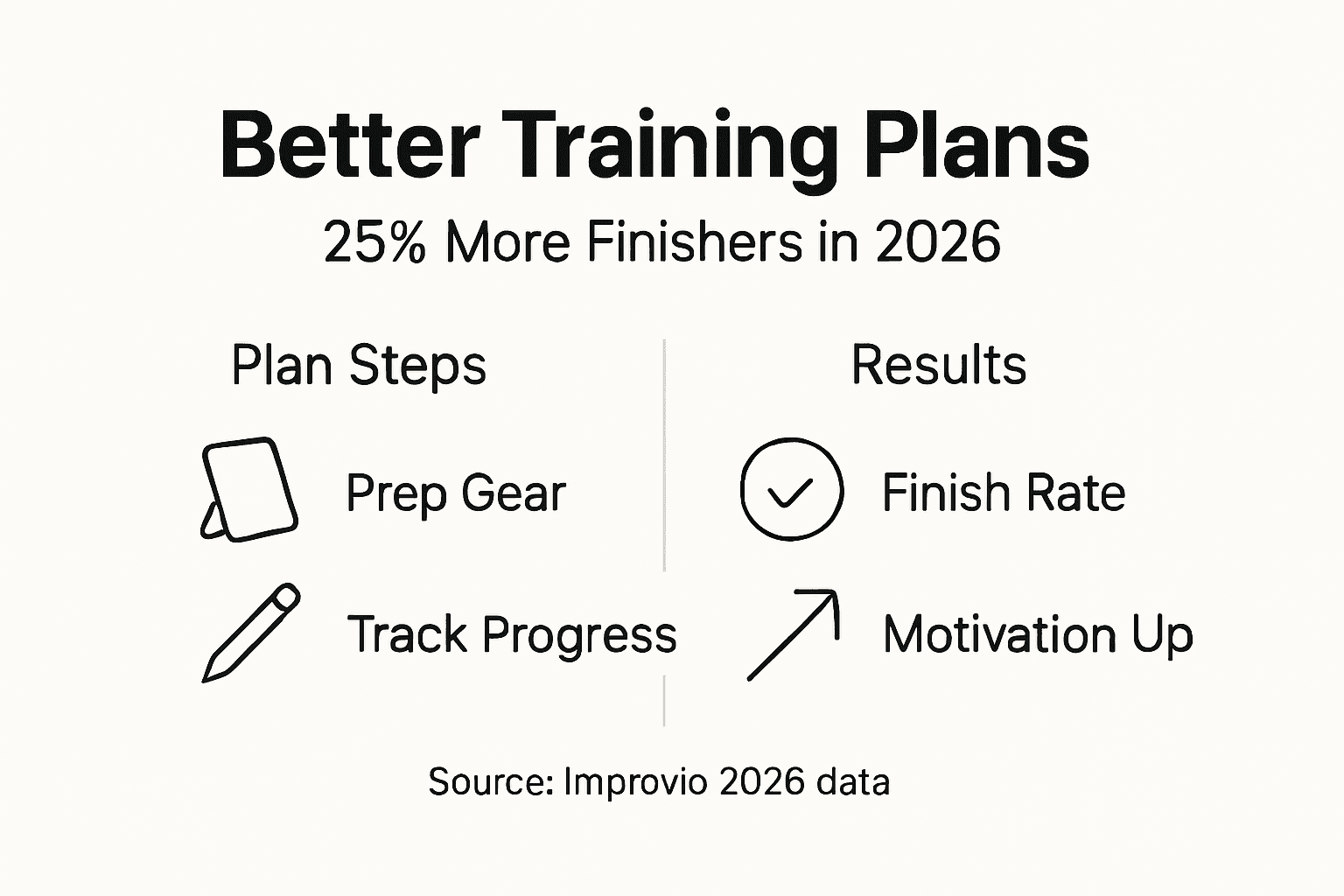
Your pace will naturally improve by 15-25% during the first 12 weeks without specifically training for speed. Focus on consistency and completion rather than time goals during this foundation-building phase. Speed develops automatically through regular training volume.
Expect mental and emotional benefits alongside physical fitness gains. Most beginners report improved mood, better sleep quality, and increased energy levels within 4-6 weeks of starting a consistent running routine.
Explore personalized running plans with Improvio
Now that you understand how to build an effective training plan, you can streamline the entire process with proven technology. Improvio creates personalized running training plans tailored specifically for absolute beginners like you, applying all the progressive training principles covered in this guide.
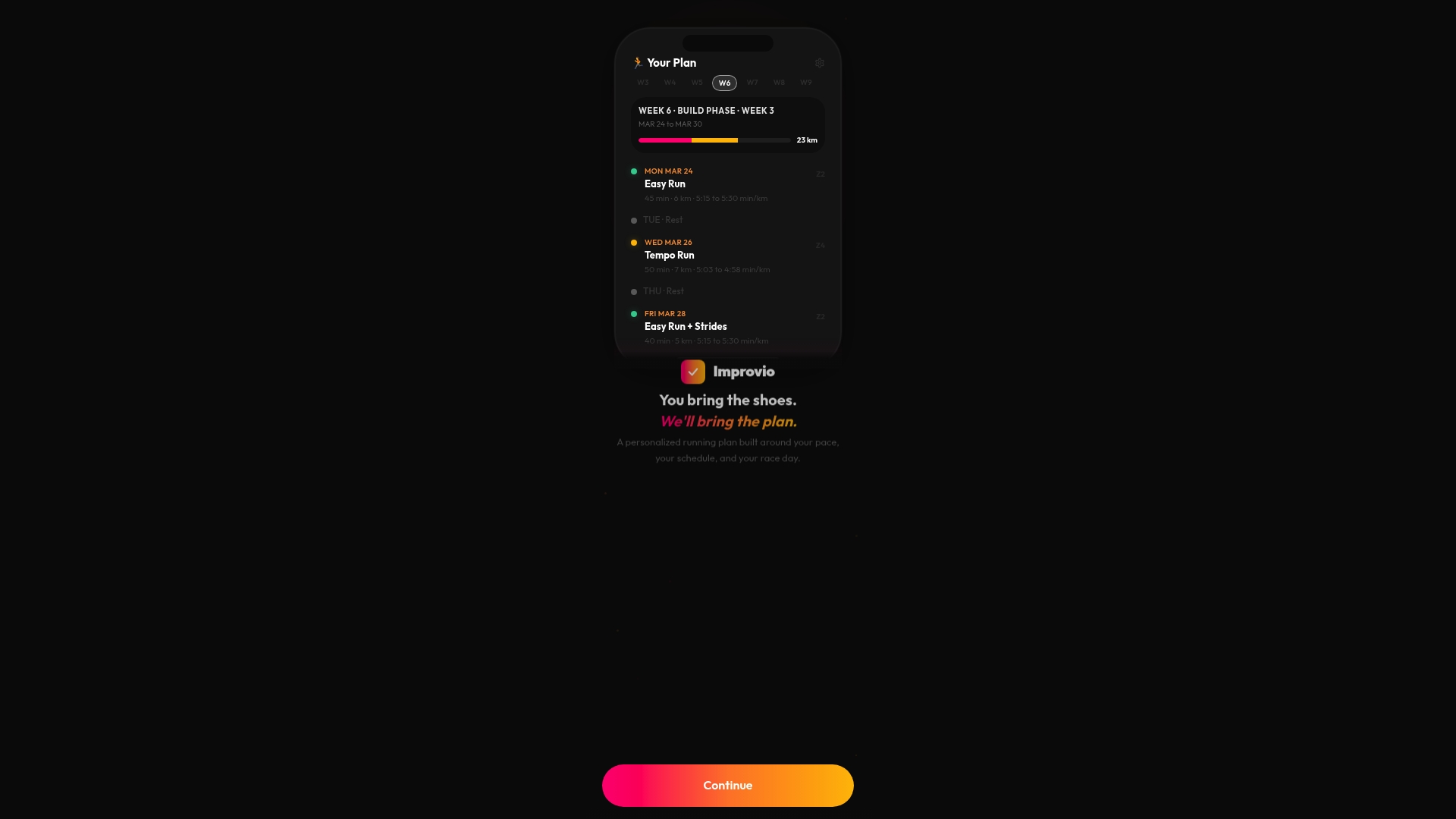
Our platform designs your custom schedule based on your current fitness level, available training days, goal race date, and individual pace. The Improvio running app automatically adjusts your weekly workouts using data from completed sessions, ensuring you progress safely without guessing about appropriate intensity or volume increases. Setup takes approximately 60 seconds, and you receive a complete personalized plan immediately. Start your journey today and join the runners achieving 25% higher race finish rates through structured, individualized training guidance.
Frequently asked questions about making a training plan
How often should I run as a beginner?
Start with 3-4 running days per week, always including rest days between sessions. This frequency allows proper recovery while building consistent training habits. Never run on consecutive days during your first 8-12 weeks of training.
What if I don't have a GPS watch?
A smartphone running app tracks your pace, distance, and route just as effectively as dedicated GPS watches. Free apps like Strava, RunKeeper, or Nike Run Club provide all the data beginners need. Your phone works perfectly for tracking progress and following structured plans.
How quickly can I expect to run my first 5K race?
Most beginners achieve 5K race readiness within 8-12 weeks of consistent training following a gradual progression plan. This timeline assumes 3-4 weekly sessions with proper rest days. Rushing this process significantly increases injury risk and often delays your actual race debut.
What should I do if I feel pain during training?
Stop running immediately and rest for 2-3 days if you experience sharp pain, joint discomfort, or unusual soreness. If pain persists beyond 24 hours or worsens with activity, seek medical evaluation before resuming training. Normal muscle fatigue differs from injury pain and resolves within 48 hours.
Can I adjust my training days if my schedule changes?
Yes, flexibility improves long-term adherence and prevents missed workouts from derailing progress. Shift planned runs to different days within the same week rather than skipping them entirely. Maintaining weekly volume matters more than hitting specific calendar days, as long as you preserve rest days between running sessions.