
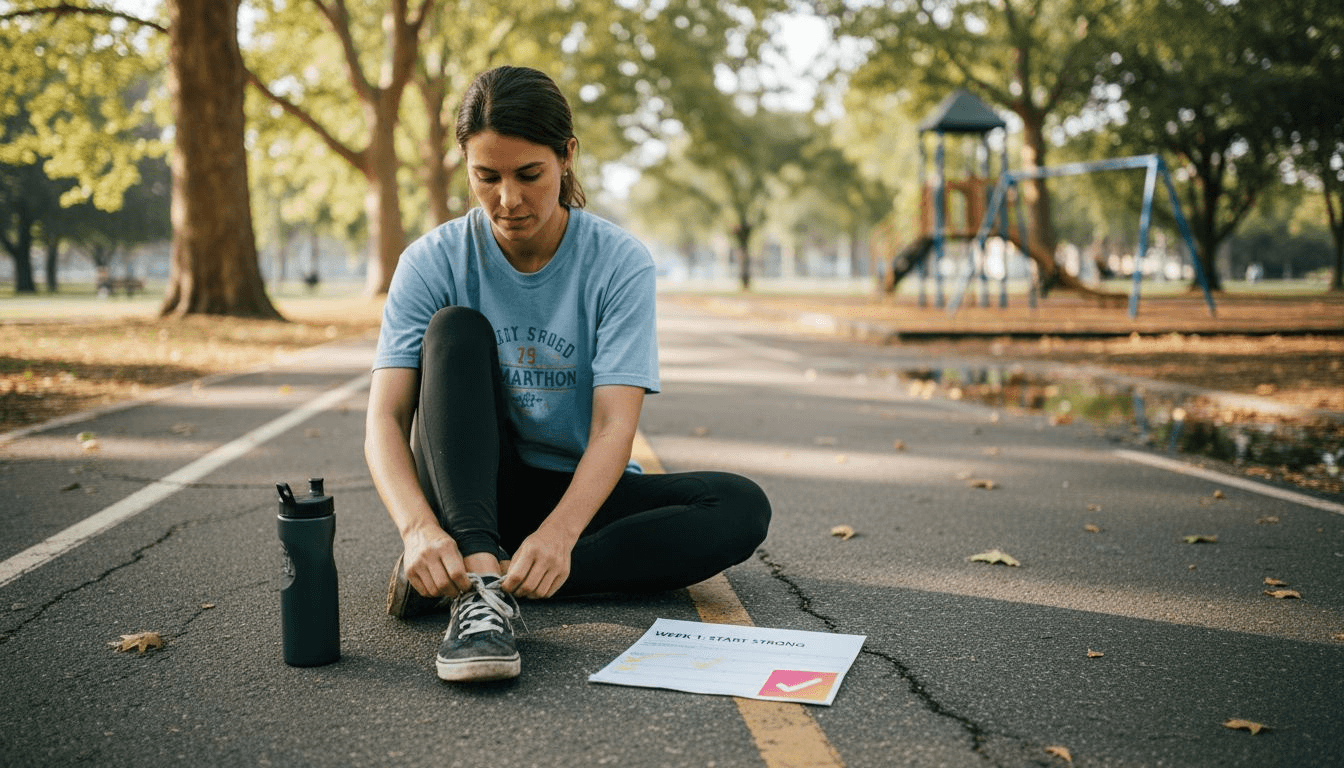
Starting your running journey feels overwhelming when you don't know where to begin or how to avoid injury. Without a clear plan, many new runners quit within weeks or hurt themselves trying to do too much too soon. Personalized beginner running plans increase race completion rates by 35%, making structured guidance essential. This guide provides safe, easy steps for absolute beginners to build endurance, prevent injury, and complete their first race with confidence.
Table of Contents
- Prerequisites And Preparation Before You Start Running
- Step-By-Step Beginner Running Training Plan
- Common Mistakes And How To Troubleshoot Them
- Expected Results And Outcomes For Beginners
- Summary And Next Steps
- Start Your Personalized Running Journey With Improvio
- Frequently Asked Questions About Running For Absolute Beginners
Key Takeaways
| Point | Details |
|---|---|
| Preparation matters | Proper shoes, medical clearance, and safe routes reduce injury risk before you start. |
| Progressive training works | Walk-run intervals and 10% weekly increases build endurance safely over 8-12 weeks. |
| Common mistakes are preventable | Skipping warm-ups, ignoring rest, and overtraining cause 20-25% of beginner injuries. |
| Personalization boosts success | Digital plans adapt to your pace and schedule, improving adherence by 25%. |
| Results are achievable | Most beginners complete their first 5K within 12 weeks using structured training. |
Prerequisites and Preparation Before You Start Running
Before lacing up for your first run, invest time in proper preparation. Starting without the right foundation increases your injury risk and reduces your chances of sticking with the program.
Your first priority is getting properly fitted running shoes. Visit a specialty running store where staff can analyze your gait and recommend shoes that match your foot structure. Comfortable, properly fitted running shoes reduce injury risk by 15-20% compared to generic athletic shoes. Expect to replace them every 300 to 500 miles.
If you're over 45 or have chronic health conditions like heart disease, diabetes, or joint problems, schedule a checkup with your doctor before beginning any running program. They can assess whether you need modifications or preliminary conditioning work. Even if you're younger and healthy, pay attention to any warning signs your body gives you.
Next, identify safe running routes in your area. Look for these features:
- Well-lit paths or sidewalks with minimal traffic
- Smooth, even surfaces without major cracks or obstacles
- Public parks or tracks with measured distances
- Routes near your home or workplace for convenience
Assess your baseline fitness honestly. Can you walk briskly for 30 minutes without excessive fatigue? If not, spend two weeks walking regularly before adding running intervals. Mental readiness matters just as much. Commit to following a gradual progression rather than expecting instant results.
Pro Tip: Take a photo of yourself on day one and note how you feel during a 10 minute walk. Revisit these markers after four weeks to see tangible proof of your progress when motivation dips.
Step-by-Step Beginner Running Training Plan
With your preparation complete, follow this progressive plan designed specifically for absolute beginners. The structure emphasizes gradual adaptation to minimize injury while building the endurance needed for your first race.
Weeks 1 to 3: Building Your Foundation
- Start with 1 minute of easy running followed by 1.5 minutes of walking
- Repeat this cycle for 30 minutes total, three times per week
- Focus on maintaining a conversational pace during running intervals
- Schedule one full rest day between each running session
Starting a running program with walk-run intervals reduces injury risk among absolute beginners by allowing gradual adaptation. Your body needs time to strengthen connective tissues, bones, and muscles.
Weeks 4 to 6: Extending Running Time
- Increase to 2 minutes running, 1 minute walking intervals
- Continue 30 minute sessions three times weekly
- Add one 45 minute session in week 6
- Maintain conversational pace throughout
Increase your weekly running volume by no more than 10% to avoid overuse injuries. This conservative approach feels slow but protects your joints and prevents burnout.
Weeks 7 to 10: Building Continuous Running
- Progress to 3 minutes running, 1 minute walking
- By week 9, attempt 5 minutes running, 1 minute walking
- Week 10 goal: run continuously for 20 minutes
- Keep total workout time at 30 to 40 minutes
Incorporate cross-training and strength exercises twice weekly. Try these activities on non-running days:
- Bodyweight squats and lunges for leg strength
- Core exercises like planks and bridges
- Swimming or cycling for cardiovascular fitness without impact
- Yoga or stretching for flexibility and recovery
Using digital running apps that create personalized training schedules improves beginner adherence rates by 25% compared to self-designed plans. Apps like Improvio adjust your workouts based on your progress and schedule constraints, removing guesswork.
Sample Weekly Schedule
| Day | Activity | Duration |
|---|---|---|
| Monday | Running intervals | 30 minutes |
| Tuesday | Strength training | 20 minutes |
| Wednesday | Running intervals | 30 minutes |
| Thursday | Rest or gentle yoga | 20 minutes |
| Friday | Running intervals | 30 minutes |
| Saturday | Cross-training | 30 minutes |
| Sunday | Complete rest | None |
Pro Tip: Track your runs in a journal or app. Note how you felt, the weather, and any discomfort. Patterns emerge quickly, helping you identify what works and what doesn't for your body.
Common Mistakes and How to Troubleshoot Them
Even with a solid plan, beginners make predictable errors that derail progress. Recognizing these pitfalls early keeps you on track toward your race goal.
Skipping warm-up and cool-down increases injury risk by 40%. Always start with five minutes of walking to gradually elevate your heart rate and warm muscles. After running, walk for another five minutes and perform gentle stretches targeting your calves, hamstrings, and hip flexors. This simple habit prevents muscle tightness and reduces next-day soreness.
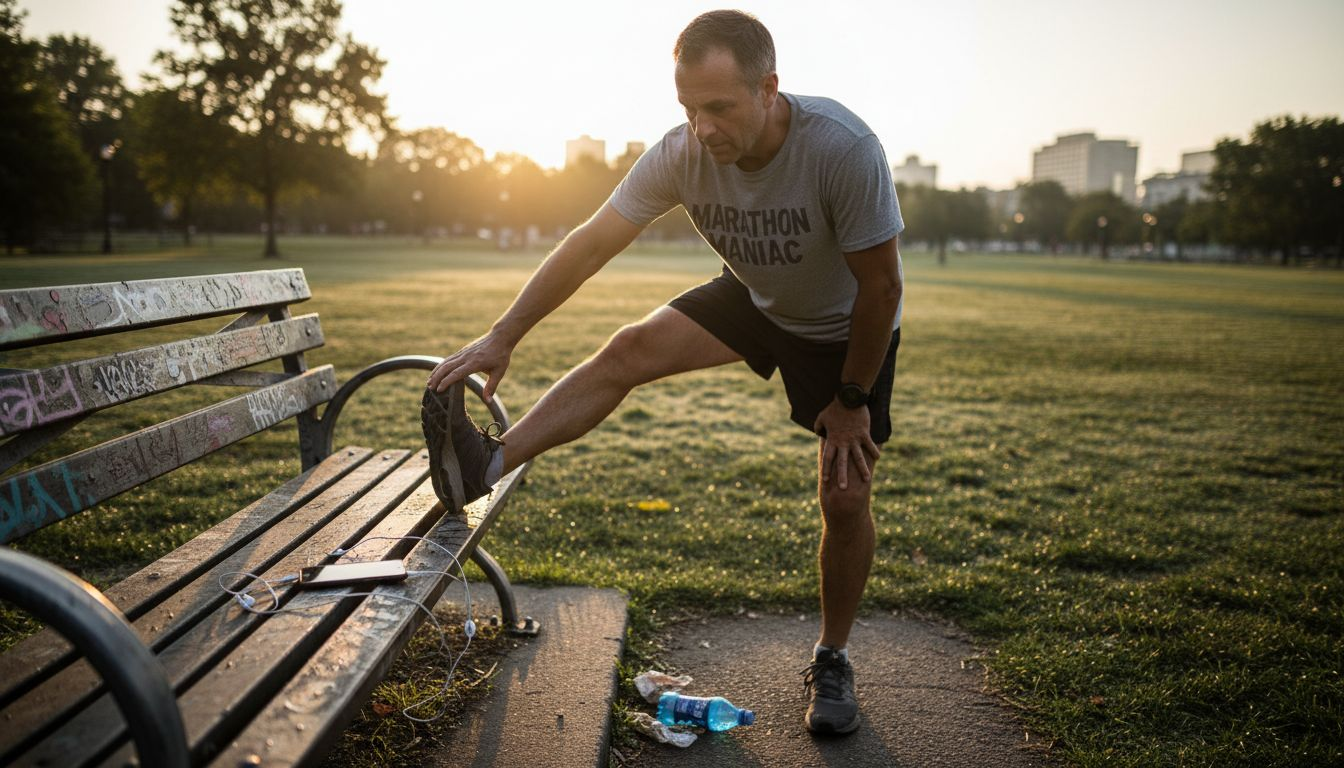
Ignoring rest days raises injury risk by 30%. Your body grows stronger during recovery, not during workouts. Beginners often feel enthusiastic and want to run every day, but this approach leads to overtraining syndrome. Symptoms include persistent fatigue, declining performance, mood changes, and increased susceptibility to illness. Respect your scheduled rest days as much as your running days.
Most beginner runners experience shin splints and knee pain due to overtraining and poor technique, with injury rates around 20 to 25%. If you feel sharp pain during a run, stop immediately. Dull muscle soreness is normal, but joint pain or sharp stabbing sensations signal potential injury.
Address pain with these steps:
- Apply ice for 15 minutes three times daily
- Rest from running for 3 to 5 days
- Use foam rolling for muscle tightness
- Return to an earlier week in your training plan
- Consult a physical therapist if pain persists beyond one week
Poor running form contributes to many beginner injuries. Focus on these technique elements:
- Land midfoot rather than on your heels
- Keep your posture upright with shoulders relaxed
- Maintain a cadence around 170 to 180 steps per minute
- Avoid overstriding by keeping your feet under your hips
Listen to your body's signals. Fatigue after a run is expected. Exhaustion that lasts days indicates you're doing too much. Adjust your training intensity or take an extra rest day when needed.
Expected Results and Outcomes for Beginners
Setting realistic expectations helps you stay motivated and recognize genuine progress. Your results depend on consistency, starting fitness level, and adherence to the training structure.
Typical timeline to complete a 5K ranges from 8 to 12 weeks with consistent training; personalized plans increase completion rates by 35%. Most beginners can run a continuous 30 minutes by week 10, which translates to completing a 5K race even if you need occasional walk breaks.
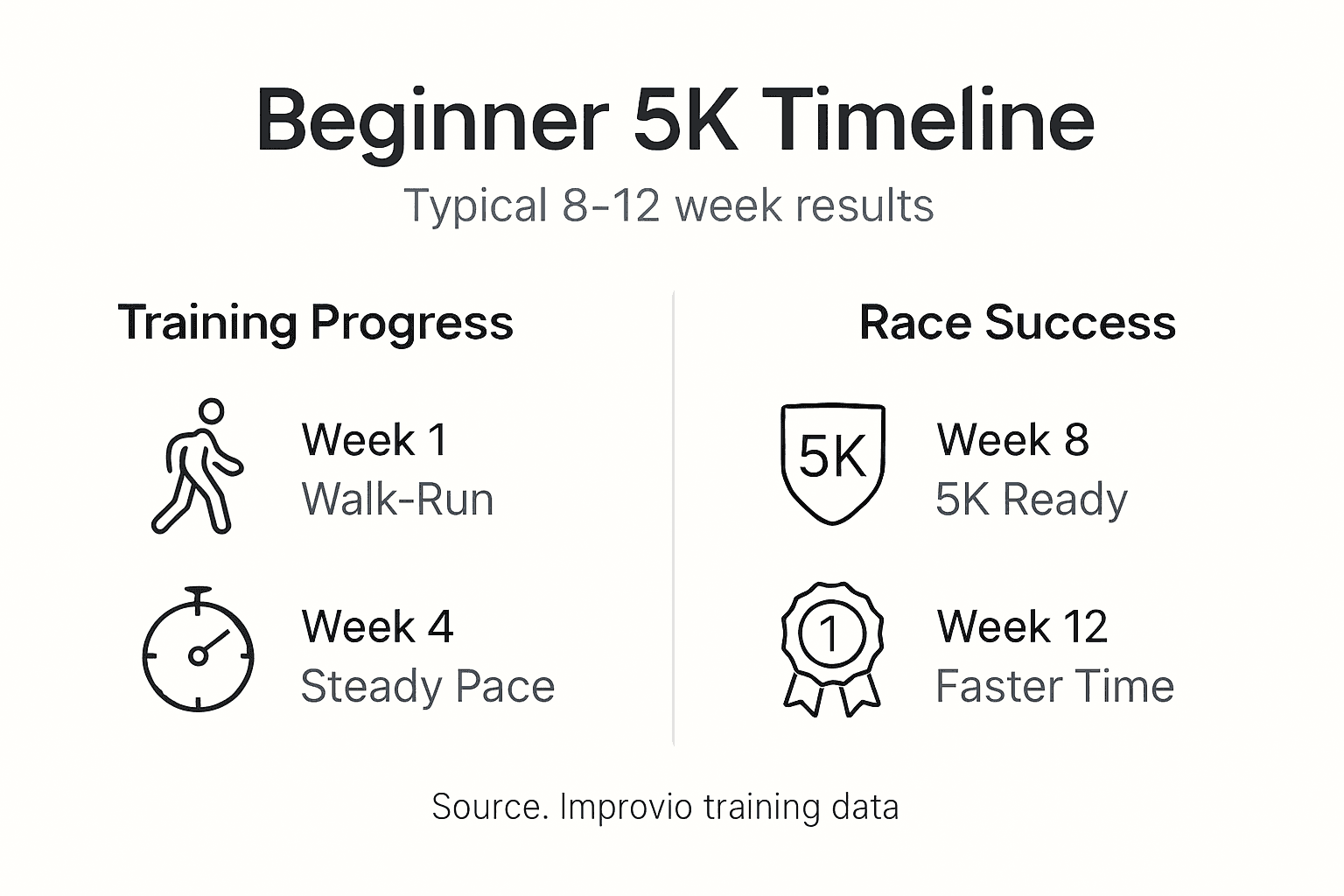
Measure your progress with these concrete milestones:
Progress Markers by Week
| Week | Milestone | Indicator |
|---|---|---|
| 3 | Complete 30 minutes of intervals | Comfortable with walk-run pattern |
| 6 | Run 2 minutes continuously | Breathing remains controlled |
| 9 | Run 10 minutes without walking | Can maintain conversation |
| 12 | Complete 30 minutes continuous running | Ready for 5K race |
Beyond race completion, expect these fitness improvements:
- Resting heart rate drops by 5 to 10 beats per minute
- Daily activities like climbing stairs feel easier
- Better sleep quality and mood regulation
- Improved body composition with modest fat loss
- Increased energy levels throughout the day
Avoidance of injury stands as a critical success indicator. Completing your training plan without significant setbacks means you progressed at the right pace for your body. Don't compare your timeline to others. Someone who finishes their first 5K in 35 minutes succeeded just as much as someone who finishes in 25 minutes.
Your progress varies based on age, prior activity level, and consistency. A previously sedentary 50 year old naturally progresses differently than an active 25 year old. Both can successfully complete a 5K by following appropriate training principles.
Summary and Next Steps
Safe beginner running relies on personalization and gradual progression. Rushing the process or following generic plans increases your injury risk and reduces your likelihood of reaching race day healthy and prepared.
Remember these essential principles:
- Start with proper equipment, especially well-fitted running shoes
- Follow walk-run intervals before attempting continuous running
- Increase weekly volume by maximum 10% to protect joints and tissues
- Include cross-training and strength work twice weekly
- Honor rest days as training days for recovery and adaptation
- Address pain immediately before it becomes injury
Building healthy habits naturally supports lasting fitness results and injury prevention. Your running journey extends beyond your first race. Establishing sustainable patterns now creates a foundation for years of healthy running.
Digital plans through platforms like Improvio keep your training adaptive and on track. These tools adjust your schedule when life interrupts, provide pacing guidance, and offer structure that removes decision fatigue. You focus on showing up while the app handles the programming details.
Start today with a simple action. Download a personalized running app, buy proper shoes, or map your first running route. Small steps compound into race completion and lasting fitness transformation.
Start Your Personalized Running Journey with Improvio
Ready to transform from non-runner to race finisher? Improvio offers adaptive running plans tailored specifically to your current pace, weekly schedule, and target race date. Our platform incorporates the exact principles outlined in this guide, including progressive walk-run intervals, cross-training recommendations, and strategic rest days.
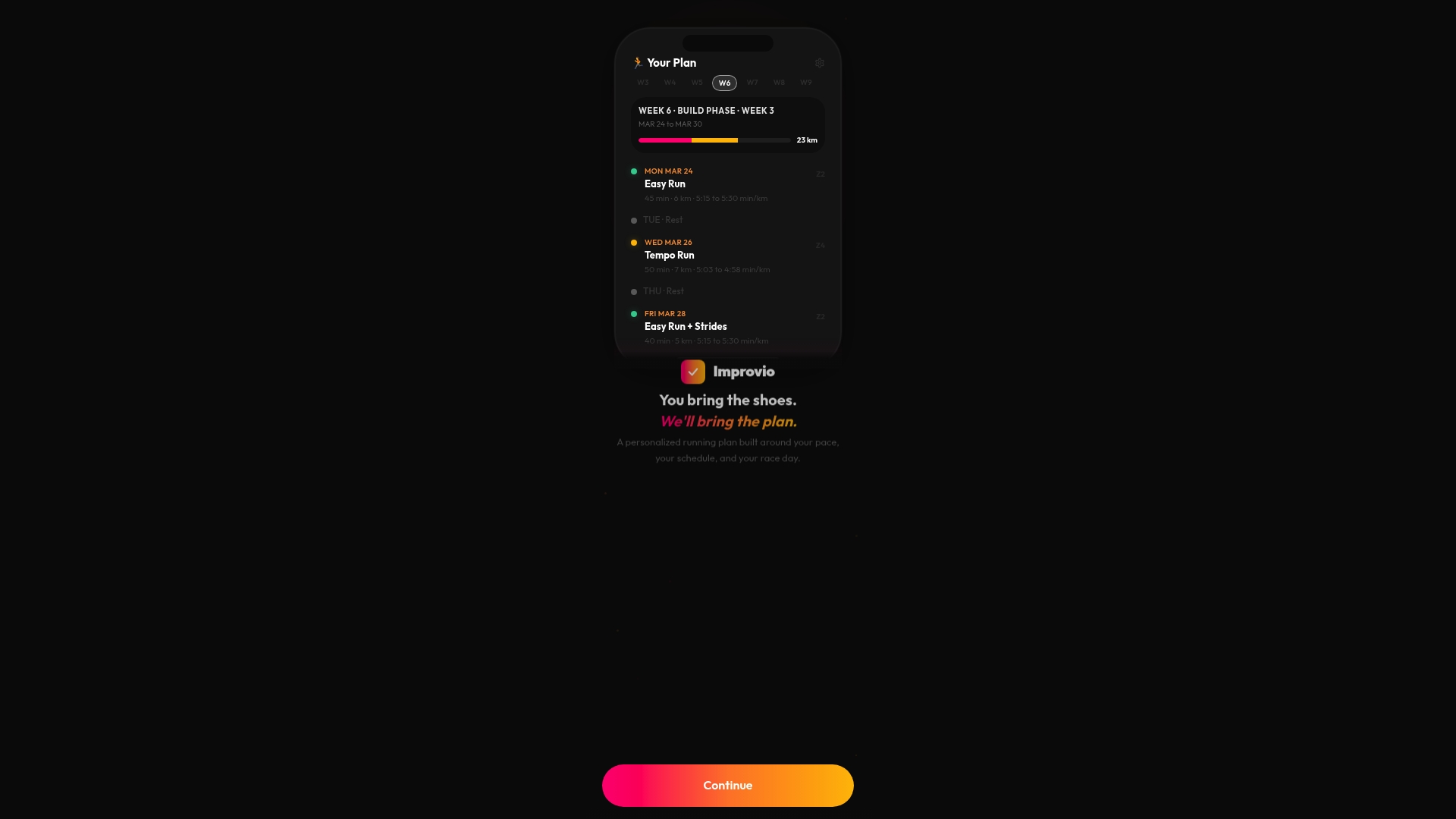
Thousands of absolute beginners have completed their first races using Improvio's personalized approach. Setup takes 60 seconds, and initial planning is free. The platform adjusts automatically when you miss workouts or need schedule changes, removing the stress of rigid training calendars. Access expert guidance on your phone, track your progress visually, and celebrate milestones as you build toward race day. Your running transformation starts with one decision.
Frequently Asked Questions About Running for Absolute Beginners
What is the best way to start running if I've never done it before?
Begin with walk-run intervals rather than attempting continuous running. Start with 1 minute running and 1.5 minutes walking, repeated for 30 minutes three times weekly. This gradual approach builds cardiovascular fitness and strengthens connective tissues without overwhelming your body.
How quickly can I expect to complete my first 5K race?
Most absolute beginners can complete a 5K within 8 to 12 weeks of consistent training using a structured plan. Your timeline depends on starting fitness level, age, and adherence to the program. Focus on steady progression rather than speed.
What should I do if I feel pain during my runs?
Stop running immediately if you experience sharp or joint pain. Apply ice, rest for several days, and return to an earlier training week when you resume. Dull muscle soreness is normal, but persistent pain signals potential injury requiring professional evaluation.
Are rest days really necessary when training to run?
Yes, rest days are when your body adapts and grows stronger from training stress. Skipping rest increases injury risk by 30% and leads to overtraining syndrome. Schedule at least one complete rest day between running sessions, especially as a beginner.
How do digital running apps help beginners stick to a plan?
Digital apps provide personalized schedules that adapt to your progress and constraints, removing guesswork from training. Studies show apps improve beginner adherence rates by 25% through automatic adjustments, progress tracking, and structured guidance that keeps you accountable without rigidity.