
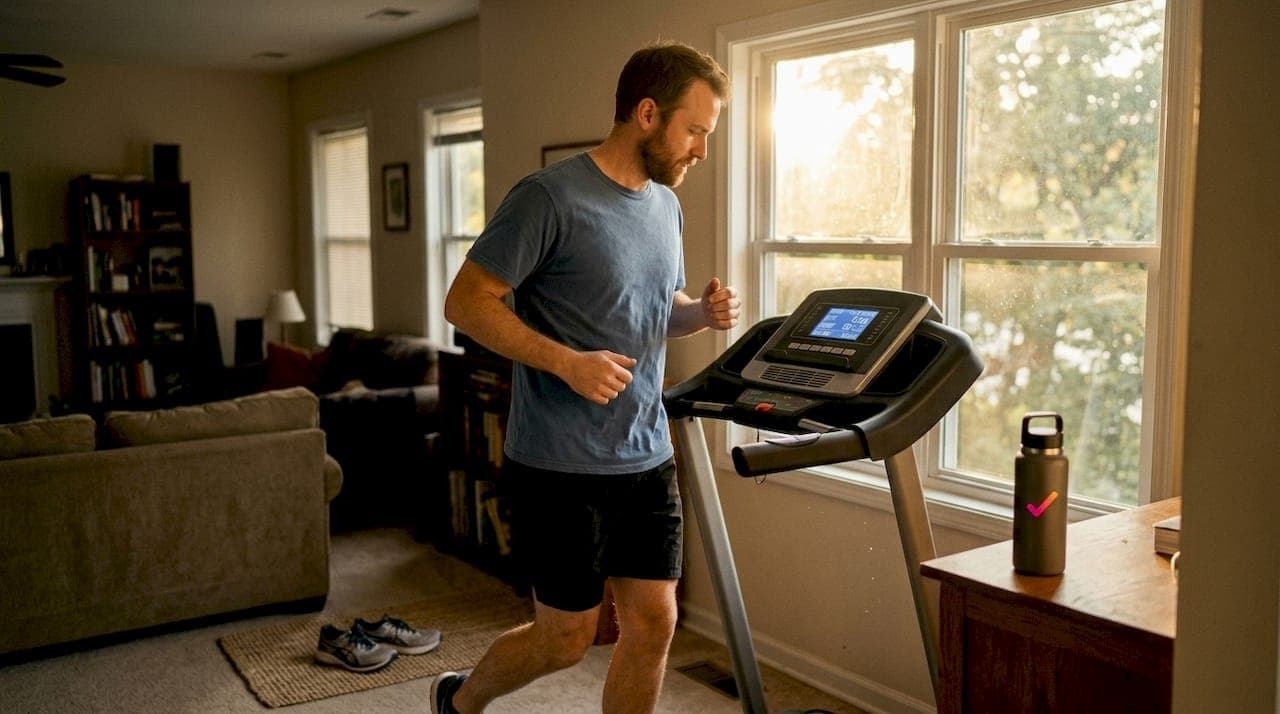
Most beginners assume treadmill running is just outdoor running moved indoors, but your body actually works differently on the moving belt. The belt pulls your feet backward, changing your natural stride pattern and cadence. Many new runners grip handrails or avoid inclines, unknowingly limiting their training effectiveness and race preparation. This guide breaks down exactly what treadmill training involves, how proper technique differs from road running, and why strategic treadmill workouts can accelerate your fitness gains. You'll discover beginner-friendly training plans, safety practices that prevent common injuries, and how to make indoor sessions translate directly to outdoor race success.
Table of Contents
- Key takeaways
- Understanding treadmill running mechanics
- Beginner treadmill training plans and methods
- Safety and best practices in treadmill training
- Treadmill training versus outdoor running: what beginners should know
- Get started with guided treadmill running programs
- Frequently asked questions
Key Takeaways
| Point | Details |
|---|---|
| Treadmill biomechanics | The moving belt pulls your feet backward, changing stride and cadence compared with outdoor running. |
| Beginner plan | Begin with walk run intervals such as a 5 minute walk warm up, then 1 to 2 minutes of easy running and 2 to 3 minutes of walking. |
| Posture and cadence | Keep an upright posture with a midfoot strike and a 90 degree arm swing to improve efficiency and reduce injury risk. |
| Safety practices | Avoid gripping handrails, use incline sensibly, and keep safety keys accessible for emergencies. |
Understanding treadmill running mechanics
Your running form on a treadmill requires subtle but important adjustments compared to outdoor running. Maintain upright posture with a midfoot strike and 90-degree arm swing to optimize efficiency and reduce injury risk. The moving belt creates a unique mechanical environment where your feet get pulled backward slightly, which naturally increases your cadence compared to road running.
Proper foot placement matters significantly on the treadmill. Land in the center of the belt with each step to maintain balance and prevent tripping. Avoid looking down at your feet, as this disrupts posture and can cause neck strain. Instead, focus your gaze forward as you would during outdoor running. Your core muscles work harder to stabilize your body on the moving surface, making treadmill sessions excellent for developing running-specific strength.
The belt's backward motion affects your stride mechanics in ways most beginners don't notice initially. This mechanical difference slightly increases your step frequency, typically pushing you toward the optimal cadence of 180 steps per minute that reduces ground contact time and injury risk. Your push-off phase becomes less pronounced because the belt assists forward momentum, which means you need to focus on maintaining active engagement rather than letting the machine do all the work.
Arm swing plays a crucial role in treadmill running efficiency. Keep your arms bent at roughly 90 degrees and swing naturally from the shoulders, not the elbows. This movement pattern helps maintain balance on the moving surface and drives your leg turnover. Many beginners tense their shoulders or hold their arms too rigidly, which wastes energy and creates unnecessary fatigue.
Pro Tip: Record yourself running on the treadmill from the side to check your posture and foot strike. Many gyms have mirrors, but video gives you a clearer view of form issues like overstriding or hunched shoulders that you can't feel while running.
Beginner treadmill training plans and methods
Starting treadmill training requires a structured approach that builds endurance gradually without overwhelming your body. Begin with walk-run intervals that include a 5-minute walking warm-up, then alternate 1-2 minutes of easy running with 2-3 minutes of walking recovery. This interval method allows your cardiovascular system and muscles to adapt progressively while minimizing injury risk from doing too much too soon.
Train three times weekly for 20-35 minutes per session during your first month. This frequency provides adequate stimulus for fitness improvements while allowing recovery days between workouts. Your body needs time to adapt to the new stress of running, and rest days are when actual fitness gains occur. Consistency matters more than intensity at this stage, so focus on completing each planned session rather than pushing speed or distance.
After four weeks of walk-run intervals, you can introduce slight inclines and extend your running segments. Start with 0-2% incline settings that replicate outdoor running conditions without overloading your muscles. Gradually shift from 1-minute running intervals to 3-5 minute segments as your endurance improves. This progression follows the principle of gradual overload, where you increase training stress in small, manageable increments.
| Week | Workout Type | Duration | Intensity |
|---|---|---|---|
| 1-2 | Walk-run intervals | 20-25 min | 1 min run / 2 min walk |
| 3-4 | Extended intervals | 25-30 min | 2 min run / 2 min walk |
| 5-6 | Steady jog segments | 30-35 min | 3-5 min run / 1-2 min walk |
| 7-8 | Hill intervals | 30-35 min | 2 min incline / 2 min flat |
Your beginner treadmill training plan should include variety to develop different aspects of running fitness. Mix steady-paced endurance runs with hill intervals that build leg strength and cardiovascular capacity. One session per week can focus on slightly longer duration at comfortable pace, another on incline work, and the third on maintaining your base interval structure. This variety prevents boredom and develops well-rounded fitness.
Combining treadmill sessions with basic strength exercises accelerates your race preparation. Bodyweight squats, lunges, and planks performed twice weekly strengthen the muscles that support running mechanics. Strong glutes and core muscles improve your ability to maintain proper form as fatigue sets in during longer runs. This complementary training reduces injury risk and enhances your overall running performance.
Pro Tip: Use the treadmill's programmed workouts during your second month of training. Most machines offer hill programs or interval sessions that automatically adjust speed and incline, letting you focus entirely on form and effort rather than manually changing settings mid-workout.
Safety and best practices in treadmill training
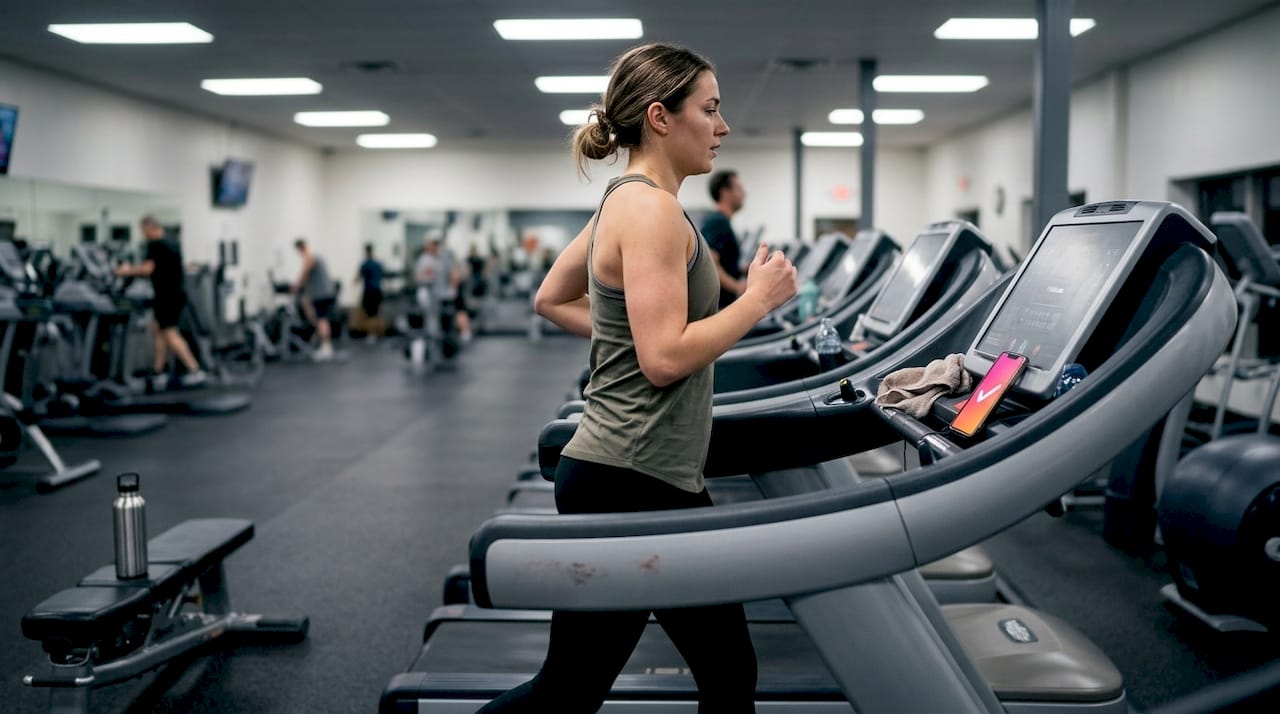
Treadmill safety starts with using the emergency stop key that clips to your clothing. This simple device stops the belt immediately if you slip or trip, preventing serious falls that can occur when the moving surface continues running. Always attach the safety key before starting your workout and position it where it won't get tangled but will detach easily if needed.
Avoid gripping the handrails during your running intervals, as this disrupts natural running form and reduces training effectiveness. Handrail use forces your upper body into an unnatural position, limiting arm swing and throwing off your balance. If you feel unstable without holding on, you're running too fast for your current fitness level. Slow down until you can maintain proper form with hands free, then gradually increase speed as your confidence and ability improve.
Starting with steep inclines or overstriding creates unnecessary injury risk for beginners. The treadmill's softer surface reduces joint impact compared to concrete, but this doesn't mean you can ignore proper progression. Your stabilizer muscles work differently on the moving belt, and they need time to adapt. Begin with flat or minimal incline running, then add 0.5-1% grade every two weeks as your body adjusts to the training stimulus.
The cushioned treadmill deck absorbs more impact than outdoor surfaces, which benefits your joints but requires attention to core engagement. Without the natural terrain variations of outdoor running, your stabilizer muscles get less activation. Compensate by focusing on maintaining upright posture and engaging your core throughout each session. This conscious effort develops the muscle control you'll need when transitioning to outdoor races.
Treadmills eliminate wind resistance, which significantly reduces the energy cost of running at any given pace. Use 1-2% incline settings to replicate the effort level of outdoor running and ensure your training matches race conditions. This small adjustment makes indoor sessions more specific to outdoor performance while preventing the false sense of fitness that can come from flat treadmill running.
Pro Tip: Place a small towel over the treadmill display during some workouts to avoid obsessing over pace and distance. Focus instead on effort level and form, using perceived exertion as your guide. This practice builds better body awareness and prevents the anxiety that comes from constantly monitoring numbers.
Treadmill training versus outdoor running: what beginners should know
The metabolic demands of treadmill and outdoor running differ in measurable ways that affect your training outcomes. Research shows that treadmill jogging at 1% incline matches outdoor running energy cost, making this simple adjustment crucial for race-specific preparation. Without incline, treadmill running at any pace requires less effort than the same speed outdoors, potentially leaving you underprepared for race day conditions.
Indoor sprint training on treadmills can boost your running velocity and power by approximately 18.5% according to controlled studies. This improvement comes from the ability to maintain consistent pace without environmental variables like wind, hills, or uneven surfaces. The controlled environment lets you focus entirely on effort and form, which accelerates certain aspects of fitness development. However, this advantage comes with tradeoffs in other areas of running performance.
Treadmill running produces higher gait variability than outdoor running because the moving belt creates a slightly different mechanical interaction with each foot strike. Your body makes constant micro-adjustments to maintain balance on the moving surface, which can be mentally fatiguing for beginners. This variability isn't necessarily negative, but it does mean treadmill sessions feel different from road running even when the pace and effort match.
| Factor | Treadmill | Outdoor |
|---|---|---|
| Impact forces | Lower (cushioned deck) | Higher (concrete/asphalt) |
| Wind resistance | None (unless fan used) | Significant at faster paces |
| Stabilizer activation | Reduced (flat, consistent surface) | Higher (terrain variations) |
| Pace control | Precise (machine-set speed) | Variable (self-regulated effort) |
| Mental engagement | Lower (monotonous environment) | Higher (changing scenery, navigation) |
Lack of wind resistance indoors fundamentally alters energy demands at every running speed. Even light outdoor breezes create resistance that requires additional effort to overcome. This difference becomes more pronounced at faster paces, where air resistance increases exponentially. The 1-2% incline adjustment compensates for this missing resistance factor, ensuring your cardiovascular system gets appropriate training stimulus.
Understanding these differences helps you plan effective treadmill programs that transfer well to outdoor racing. Include regular outdoor runs in your training schedule, even if treadmill sessions form your primary training method. This mixed approach lets you develop treadmill-specific fitness while maintaining the stabilizer strength and mental skills needed for race day success. Your body adapts specifically to the training you provide, so variety ensures comprehensive preparation.
The psychological aspects of treadmill versus outdoor running matter as much as the physical differences. Treadmill running can feel monotonous without the changing scenery and environmental stimulation of outdoor routes. Combat this by varying your workouts with different types of running workouts that include intervals, hills, and tempo segments. Music, podcasts, or treadmill entertainment systems help many runners stay engaged during longer indoor sessions.
Get started with guided treadmill running programs
Taking your treadmill training to the next level requires structured guidance tailored to your current fitness and race goals. Professional training plans remove the guesswork from workout design, telling you exactly what to do each session while progressing intensity at safe rates. You get expert coaching principles without needing to understand complex training theory or risk overtraining from doing too much too soon.
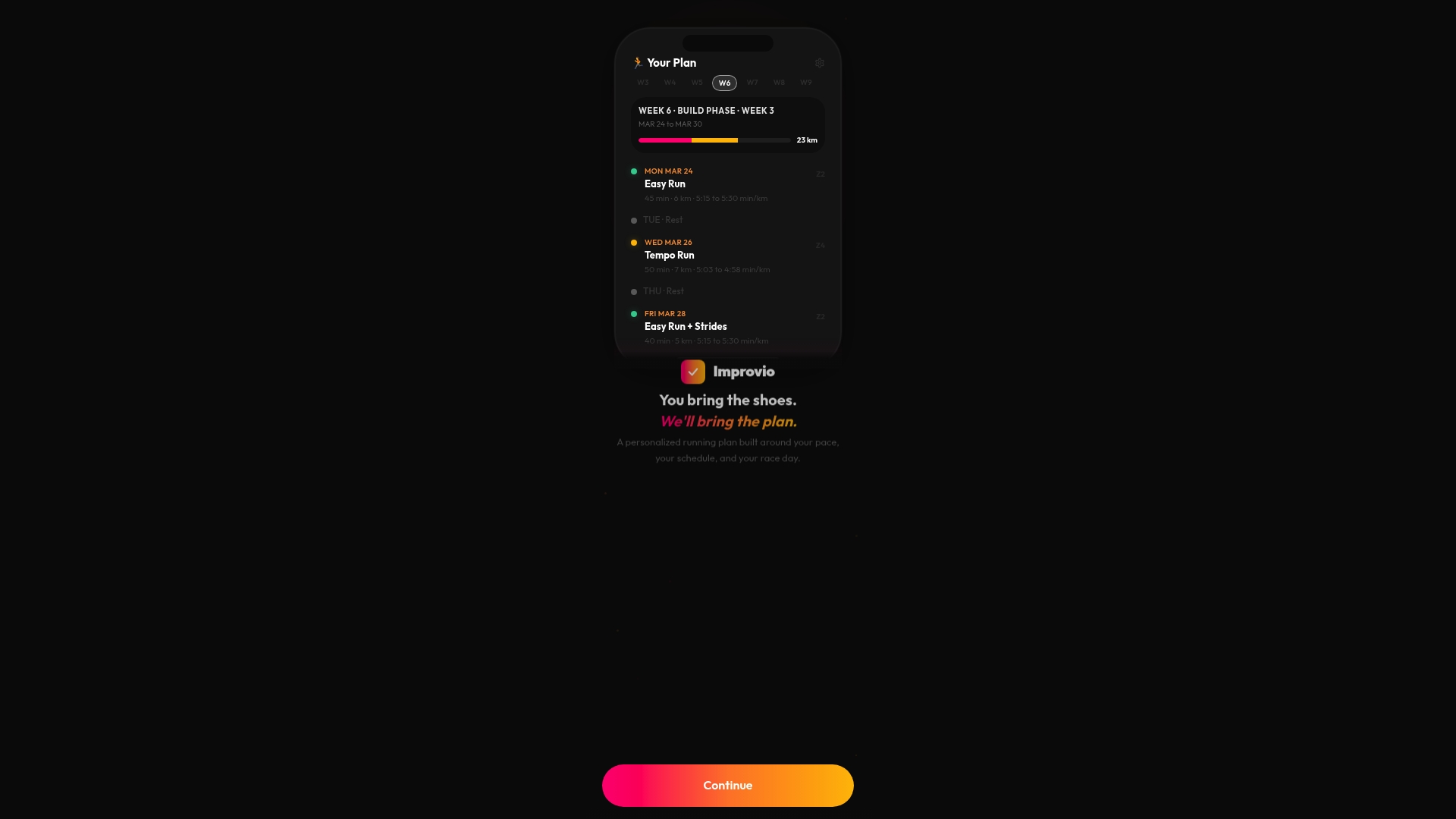
Guided treadmill running programs provide personalized workout schedules based on your available training time, target race distance, and current fitness level. These plans integrate the walk-run progressions, incline work, and safety practices covered in this guide into cohesive training blocks. Progress tracking features let you see fitness improvements over weeks and months, maintaining motivation through the inevitable challenging days. Expert coaching tips embedded in each workout help you refine form and avoid common beginner mistakes that slow progress or cause injury.
Combining structured beginner running plans with the technique and safety knowledge from this guide sets you up for race readiness. You'll know not just what workouts to do, but why each session matters and how it fits into your larger training arc. This understanding builds confidence and helps you make smart adjustments when life disrupts your training schedule.
Frequently asked questions
What is treadmill training and why should beginners use it?
Treadmill training involves structured running workouts performed on a motorized treadmill, offering controlled conditions ideal for beginners. The machine's adjustable speed and incline let you progress gradually while eliminating weather concerns and safety issues of outdoor running in dark or unfamiliar areas. Treadmills provide consistent pacing that helps you build endurance systematically without the temptation to start too fast.
How does treadmill running technique differ from outdoor running?
Treadmill running requires maintaining upright posture with feet landing center of the belt rather than pushing forward as you do outdoors. The moving belt pulls your feet backward, slightly increasing your natural cadence and reducing the push-off phase of your stride. You need stronger core engagement to maintain balance on the moving surface, and using 1-2% incline compensates for the lack of wind resistance.
What are simple tips for beginners starting treadmill training safely?
Always use the safety key clipped to your clothing, and never hold the handrails during running intervals. Start with walk-run intervals of 1-2 minutes running alternated with 2-3 minutes walking, training three times weekly for 20-35 minutes. Begin on flat settings or minimal 1% incline, and increase intensity gradually over 4-6 weeks as your body adapts to the training stress.
Can treadmill training prepare me for outdoor races effectively?
Yes, treadmill training builds the cardiovascular fitness and running endurance needed for races when you use proper incline settings and progress systematically. Set the treadmill to 1-2% incline to match outdoor energy demands, and include some outdoor runs in your schedule to develop stabilizer muscles and mental skills. Following a structured beginner running workflow that combines treadmill and outdoor sessions provides comprehensive race preparation.