

Starting your running journey often feels overwhelming when faced with conflicting advice and fear of injury. Without proper guidance, many beginners push too hard too soon or quit from frustration. A personalized step-by-step running plan transforms this confusion into confidence by providing gradual progression through proven walk-run intervals, safe weekly frequency, and achievable milestones that prepare you for your first race while building lasting fitness habits.
Table of Contents
- Why A Step-By-Step Running Plan Matters
- Prerequisites: What You Need To Start Running Safely
- Core Steps: Starting With Walk-Run Intervals
- Training Timeline And Frequency
- Common Mistakes And How To Avoid Them
- Mindset And Motivation Strategies
- Expected Results And Race Day Preparation
- Get Started With Personalized Running Plans Today
- FAQ
Key takeaways
| Point | Details |
|---|---|
| Gradual walk-run intervals prevent injury and build endurance | Starting with short intervals like 30 seconds running alternated with walking reduces stress on joints and muscles while safely developing cardiovascular fitness. |
| Run 3 times weekly with rest for recovery and progress | Training 3 times per week with 20-30 minute sessions improves fitness while preventing burnout and injury. |
| Set SMART goals to stay motivated and measure growth | Specific, measurable, achievable, relevant, and time-bound goals increase training adherence and self-confidence throughout your journey. |
| Avoid increasing mileage by more than 10% weekly | Exceeding 10% weekly increases raises injury risk by up to 50% for beginners. |
| Prioritize warm-up, cool-down, and proper technique | Dynamic warm-ups and post-run stretching reduce injury risk while improving running form and recovery quality. |
Why a step-by-step running plan matters
Jumping into running without structure puts beginners at serious risk. Generic online advice rarely accounts for individual fitness levels, schedules, or injury susceptibility. A personalized, structured plan addresses these gaps by matching training intensity to your current abilities and gradually building capacity over time.
Gradual progression is the cornerstone of safe running development. Research shows 6 to 8-week plans with 3 weekly sessions improve endurance and prepare novice runners safely for race day. This timeline allows your cardiovascular system, muscles, tendons, and ligaments to adapt without excessive strain.
Walk-run intervals make running accessible to absolute beginners. Instead of attempting continuous runs that lead to exhaustion and discouragement, you alternate brief running segments with walking recovery periods. This approach reduces cardiovascular stress while still challenging your body enough to trigger fitness adaptations. As weeks progress, you gradually extend running intervals and reduce walking time.
Clear frequency and duration targets eliminate guesswork. When you know exactly how many sessions per week and how long each should last, you can schedule training around work and family commitments. This structure creates accountability and prevents both overtraining and under-training, two common pitfalls that derail beginners.
Key benefits include:
- Reduced injury risk through controlled progression
- Improved adherence by matching workload to current fitness
- Clear milestones that build confidence and motivation
- Sustainable habits that extend beyond your first race
Prerequisites: what you need to start running safely
Before lacing up, gather essential gear and assess your readiness. Proper running shoes designed for your foot type and gait pattern prevent blisters, shin splints, and knee pain. Visit a specialty running store for professional fitting rather than choosing shoes based solely on appearance or price.
Comfortable, moisture-wicking clothing helps regulate body temperature and prevents chafing during longer sessions. Cotton traps sweat and causes discomfort, while synthetic or merino wool fabrics pull moisture away from skin. Invest in a supportive sports bra if needed, and consider weather-appropriate layers for outdoor training.
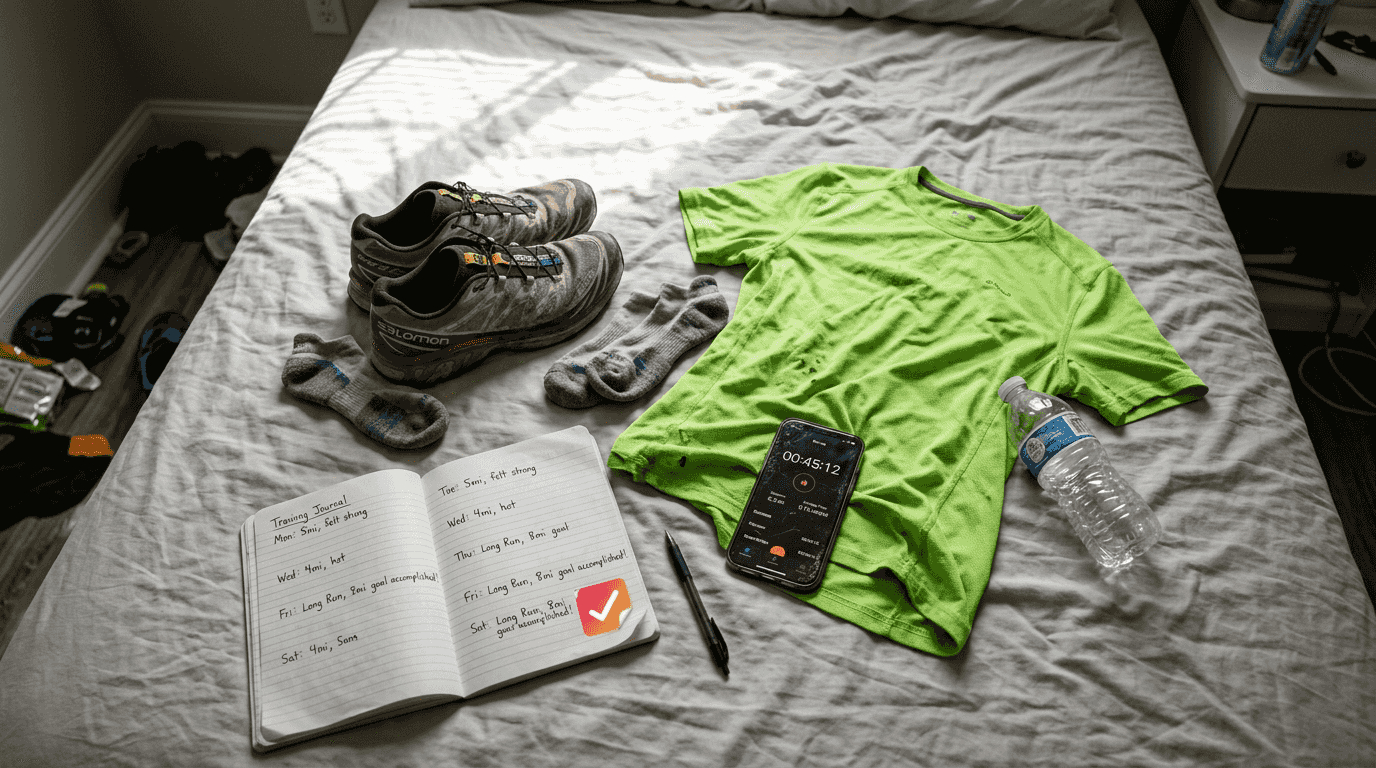
Health screening protects against hidden risks. If you have chronic conditions like heart disease, diabetes, or joint problems, consult your healthcare provider before starting. They may recommend modifications or clearance tests to ensure safe participation. Even healthy individuals should listen to their bodies and seek medical advice if unusual symptoms arise during training.
Warm-up and mobility exercises prepare your body for running demands. Spend 5 to 10 minutes on dynamic movements like leg swings, walking lunges, and high knees before each session. These activities increase blood flow to muscles, improve range of motion, and reduce injury risk. Similarly, cool down with 5 minutes of easy walking and static stretching after running.
Commitment to a consistent schedule separates successful beginners from those who quit. Block out specific days and times for training just as you would important appointments. This habit formation ensures you complete the required sessions and experience steady progress.
Essential preparation checklist:
- Well-fitted running shoes from a specialty store
- Moisture-wicking clothing and supportive undergarments
- Medical clearance if you have chronic health conditions
- Commitment to training schedule with designated workout times
Pro Tip: Start a training journal to record each session's duration, perceived effort, and how you felt. This record helps identify patterns, track progress, and spot potential overtraining signs early.
Core steps: starting with walk-run intervals
Walk-run intervals form the foundation of beginner training. This method alternates short running periods with walking recovery, allowing you to gradually build endurance without overwhelming your system. Start conservatively and resist the urge to do more than prescribed, even if you feel capable.
Begin with a simple ratio like 30 seconds running followed by 30 seconds walking. Repeat this cycle for 20 minutes total after your warm-up. This achieves roughly 10 minutes of actual running spread across the session, which provides sufficient stimulus for fitness gains while remaining manageable for complete beginners.
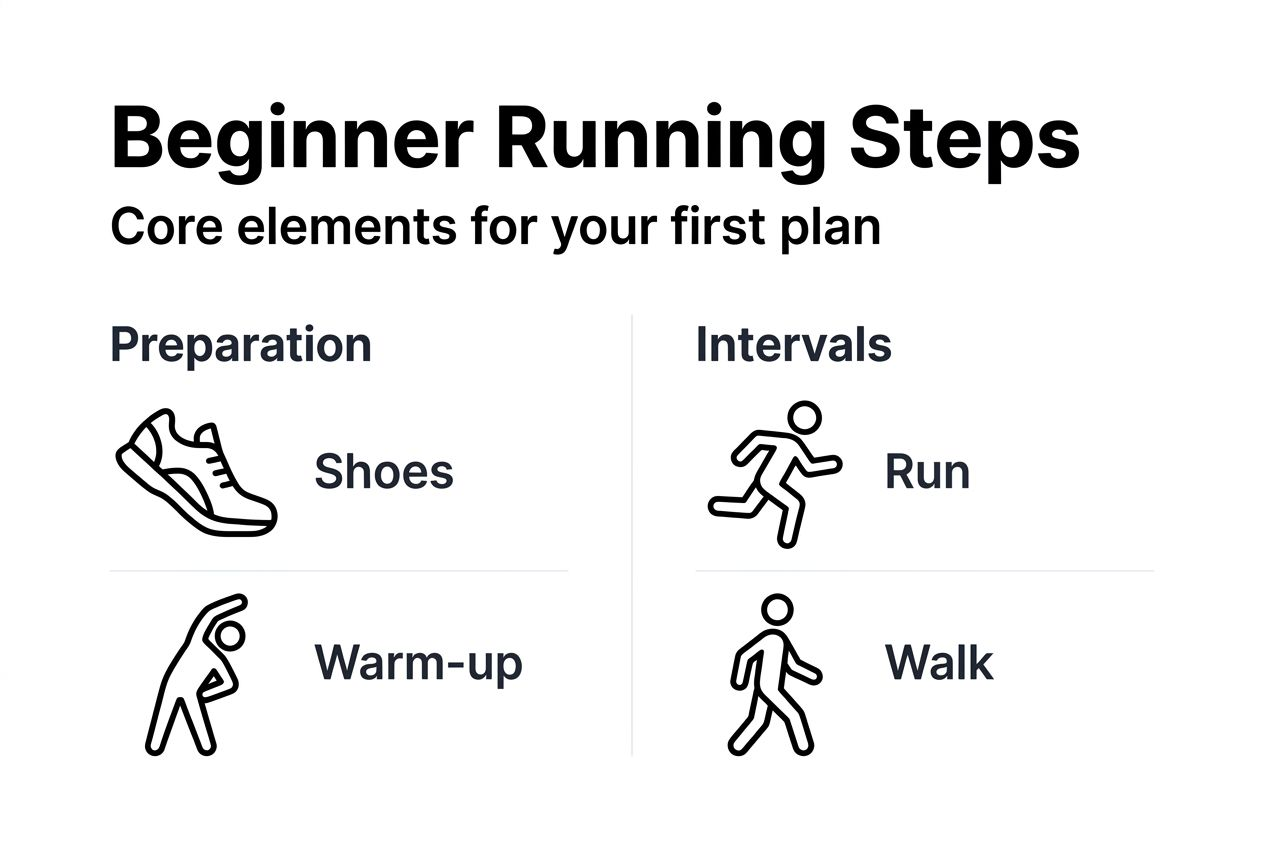
Progress methodically by extending run intervals approximately 10 to 20 seconds weekly while maintaining or slightly reducing walk intervals. For example, week two might use 40 seconds running with 30 seconds walking. Week three advances to 50 seconds running with 30 seconds walking. This gradual increase challenges your body appropriately without triggering injury or burnout.
Maintain three sessions weekly with at least one rest day between each. Running 3 times weekly sessions of 20-30 minutes at a conversational pace optimizes fitness gains while minimizing burnout. Rest days allow tissue repair, energy restoration, and mental recovery, making them as important as training days themselves.
Follow this sequence for sustainable progress:
- Complete 5 to 10 minute dynamic warm-up before each session
- Start your interval pattern with conservative run durations
- Maintain conversational pace throughout running intervals
- Honor walk recovery periods fully without cutting them short
- Cool down with 5 minutes easy walking and static stretching
- Record session details in your training journal
| Week | Run Interval | Walk Interval | Repeats | Total Time |
|---|---|---|---|---|
| 1 | 30 sec | 30 sec | 20x | 20 min |
| 2 | 40 sec | 30 sec | 17x | 20 min |
| 3 | 50 sec | 30 sec | 15x | 20 min |
| 4 | 60 sec | 30 sec | 13x | 20 min |
| 5 | 90 sec | 45 sec | 10x | 22 min |
| 6 | 2 min | 1 min | 10x | 30 min |
Conversational pace serves as your intensity guide. You should be able to speak complete sentences without gasping during run intervals. If you cannot maintain a conversation, slow down. This subjective measure prevents overexertion better than any heart rate target for beginners still developing body awareness.
Pro Tip: Use a simple interval timer app on your phone to manage run and walk periods automatically. This frees you from constantly checking your watch and lets you focus on form and breathing.
Training timeline and frequency
Most beginners need six to eight weeks to prepare for their first race when following a structured plan. A typical 5K beginner training plan ranges from 6 to 8 weeks and involves running 3 times per week with rest days for recovery. This duration provides sufficient time for physiological adaptations while remaining short enough to maintain motivation and momentum.
Three weekly sessions represent the optimal frequency for beginners. This schedule delivers enough training stimulus to trigger fitness improvements while providing adequate recovery between efforts. Spacing sessions evenly throughout the week, such as Monday, Wednesday, and Friday, works well for most people's schedules and ensures consistent rest periods.
Rest and recovery days prevent the cumulative fatigue that leads to injury and burnout. Overtraining without rest days can increase injury risk up to 60% in beginner runners within the first 3 months. Your body builds fitness during rest, not during workouts themselves. Workouts create the stimulus, but adaptation occurs when you sleep, eat well, and allow tissues to repair.
Flexibility within structure prevents rigid adherence from becoming counterproductive. If you feel excessively sore, fatigued, or notice pain beyond normal muscle tiredness, take an extra rest day or reduce session intensity. Pushing through warning signs invites injury that could sideline you for weeks. Better to miss one workout and stay healthy than force a session and trigger a setback.
Running 20-30 minute sessions at conversational pace during these weeks builds aerobic capacity steadily. As your fitness improves, you'll notice the same effort feeling easier, or you'll cover more distance in the same time. These tangible improvements fuel motivation and confirm your training is working.
Weekly structure considerations:
- Schedule three training days with at least one rest day between each
- Plan longer, more challenging sessions early in the week when you're freshest
- Use weekends for flexibility if weekday scheduling becomes difficult
- Build in complete rest weeks every four to six weeks if feeling chronically tired
Common mistakes and how to avoid them
Doing too much too soon remains the most frequent beginner error. Enthusiasm drives many new runners to exceed prescribed workouts or skip rest days, believing more training yields faster results. This approach backfires. Injury risk increases by up to 50% when weekly mileage increases exceed 10%, especially for beginners. Your body needs time to strengthen connective tissues and adapt to running's repetitive impact.
Respect the 10% rule religiously. Never increase your total weekly running time by more than 10% from one week to the next. For example, if you ran 60 minutes total this week across three sessions, next week should max out at 66 minutes. This conservative progression protects against overuse injuries like shin splints, runner's knee, and stress fractures.
Skipping warm-ups and cool-downs invites injury and slows recovery. Cold muscles and stiff joints cannot handle running's demands safely. Dynamic warm-ups increase tissue temperature and range of motion, while cool-downs with static stretching aid recovery and maintain flexibility. These bookend activities take only 10 to 15 minutes total but significantly impact injury risk and performance.
Ignoring pain signals leads to serious problems. Distinguish between normal training discomfort and warning signs of injury. Muscle fatigue and mild soreness are expected and resolve with rest. Sharp pain, joint discomfort, or soreness that worsens during a run all signal potential injury. Stop immediately and rest. If symptoms persist beyond two to three days, consult a healthcare provider or physical therapist.
Overtraining without rest days can increase injury risk up to 60% in beginner runners within the first 3 months. Rest is not laziness, it's a training component. Physical adaptations happen during recovery periods, making rest days as important as running days for progress.
Avoid these critical mistakes:
- Increasing weekly mileage beyond 10%
- Skipping scheduled rest days
- Running through pain rather than addressing it
- Neglecting warm-up and cool-down routines
- Comparing your progress to experienced runners
Pro Tip: If you miss a scheduled workout, simply continue with your next planned session rather than trying to make it up. Attempting to cram in missed sessions disrupts your recovery schedule and increases injury risk.
Remember that consistency matters more than intensity for beginners. Three moderate sessions completed as planned deliver better results than sporadic hard efforts that leave you too sore to train consistently.
Developing patience with your progress proves challenging but essential. Your personalized training plan accounts for safe progression, so trust the process rather than rushing ahead.
Mindset and motivation strategies
Mental preparation matters as much as physical training for beginner success. Setting clear, structured goals provides direction and maintains motivation when enthusiasm naturally wanes. SMART goals (Specific, Measurable, Achievable, Relevant, Time-bound) work exceptionally well for running because the activity offers objective metrics like distance, time, and frequency.
Instead of vague aspirations like "get in shape," define precise targets such as "run continuously for 20 minutes by week eight" or "complete a 5K race on October 15, 2026." Runners who set SMART goals increased consistent training adherence by 30% and reported higher self-efficacy. These concrete objectives let you measure progress and experience regular achievement.
Celebrate small milestones throughout your journey rather than waiting for race day. Completing your first full week of training, running continuously for five minutes, or simply getting out the door on a difficult day all deserve recognition. These micro-celebrations build confidence and reinforce positive associations with running.
Social support amplifies motivation and accountability. Share your goals with friends and family who will encourage you. Join online running communities or local running groups designed for beginners. Training partners make sessions more enjoyable and create external accountability that helps you show up even when motivation dips. Many cities offer free running clubs specifically for beginners and those returning to running after time away.
Maintaining a positive mindset requires reframing challenges as learning opportunities. Bad runs happen to everyone. Rather than viewing difficult sessions as failures, analyze what factors contributed. Did you sleep poorly? Run too fast? Skip your warm-up? Each experience teaches you something about your body and training.
Motivation strategies that work:
- Write down your primary goal and review it weekly
- Track completed sessions visually on a calendar
- Reward yourself after reaching milestones with non-food treats
- Join beginner running communities for support and accountability
- Focus on how running makes you feel rather than performance metrics
Pro Tip: Create a pre-run ritual that signals your brain it's time to train. This might include laying out your gear the night before, drinking a specific pre-workout beverage, or playing an energizing playlist. These cues make starting easier by reducing decision fatigue.
Your guided running plan provides structure, but your mindset determines whether you complete it. Cultivate self-compassion and remember that every runner started exactly where you are now.
Expected results and race day preparation
After six to eight weeks of consistent training following this structured approach, you can expect significant measurable improvements. Most beginners progress from unable to run continuously to comfortably running 20 to 30 minutes without walking breaks. Your cardiovascular fitness will improve noticeably, making activities like climbing stairs or playing with kids easier.
Confidence grows alongside physical capability. You'll develop understanding of your body's signals, know your sustainable pace, and trust your ability to complete challenging efforts. This mental transformation often proves more valuable than physical changes, extending benefits beyond running into other life areas.
Recognize race readiness through specific indicators. You should complete your longest training run without excessive fatigue or soreness. Running at conversational pace should feel comfortable rather than like a maximum effort. You'll have established reliable pacing without constantly checking your watch. Mental preparation includes visualizing yourself crossing the finish line and handling race-day logistics confidently.
Race day preparation begins the week before your event. Maintain your training schedule through midweek but reduce volume by taking your final training session three to four days before race day. This taper allows full recovery while maintaining fitness. Avoid trying new foods, shoes, or clothing on race day. Test everything during training first.
| Preparation Area | Training Phase | Race Week | Race Day Morning |
|---|---|---|---|
| Hydration | Drink when thirsty | Increase slightly | 16-20 oz 2 hours before |
| Nutrition | Balanced meals | Familiar foods only | Light, tested breakfast |
| Sleep | 7-9 hours nightly | Prioritize rest | Accept pre-race nerves |
| Gear | Test all equipment | Lay out complete outfit | Arrive 45 min early |
On race morning, arrive early to familiarize yourself with the course layout, find restrooms, and complete a proper warm-up. Eat a light, familiar breakfast two to three hours before the start. Stay hydrated but avoid overdrinking, which can cause discomfort during the race.
Start conservatively and resist the temptation to match faster runners' pace. Your training prepared you for a specific effort level, so trust your preparation. Run at conversational pace for the first half, then assess how you feel. If you have energy remaining, gradually increase effort over the final portion.
Race day essentials:
- Pin your bib number to your shirt the night before
- Wear only gear and shoes tested during training
- Use the restroom immediately before lining up
- Start behind faster runners to avoid getting swept up in their pace
- Focus on your effort level rather than comparing yourself to others
After crossing the finish line, celebrate your achievement regardless of time. You transformed from non-runner to race finisher, an accomplishment that required dedication, consistency, and courage. This foundation positions you for continued running success and lifelong fitness.
Get started with personalized running plans today
While this guide provides a solid foundation, truly personalized training plans adapt to your unique schedule, fitness level, and race goals. Improvio creates customized running programs specifically designed for absolute beginners, eliminating guesswork and delivering exactly what you need each week.
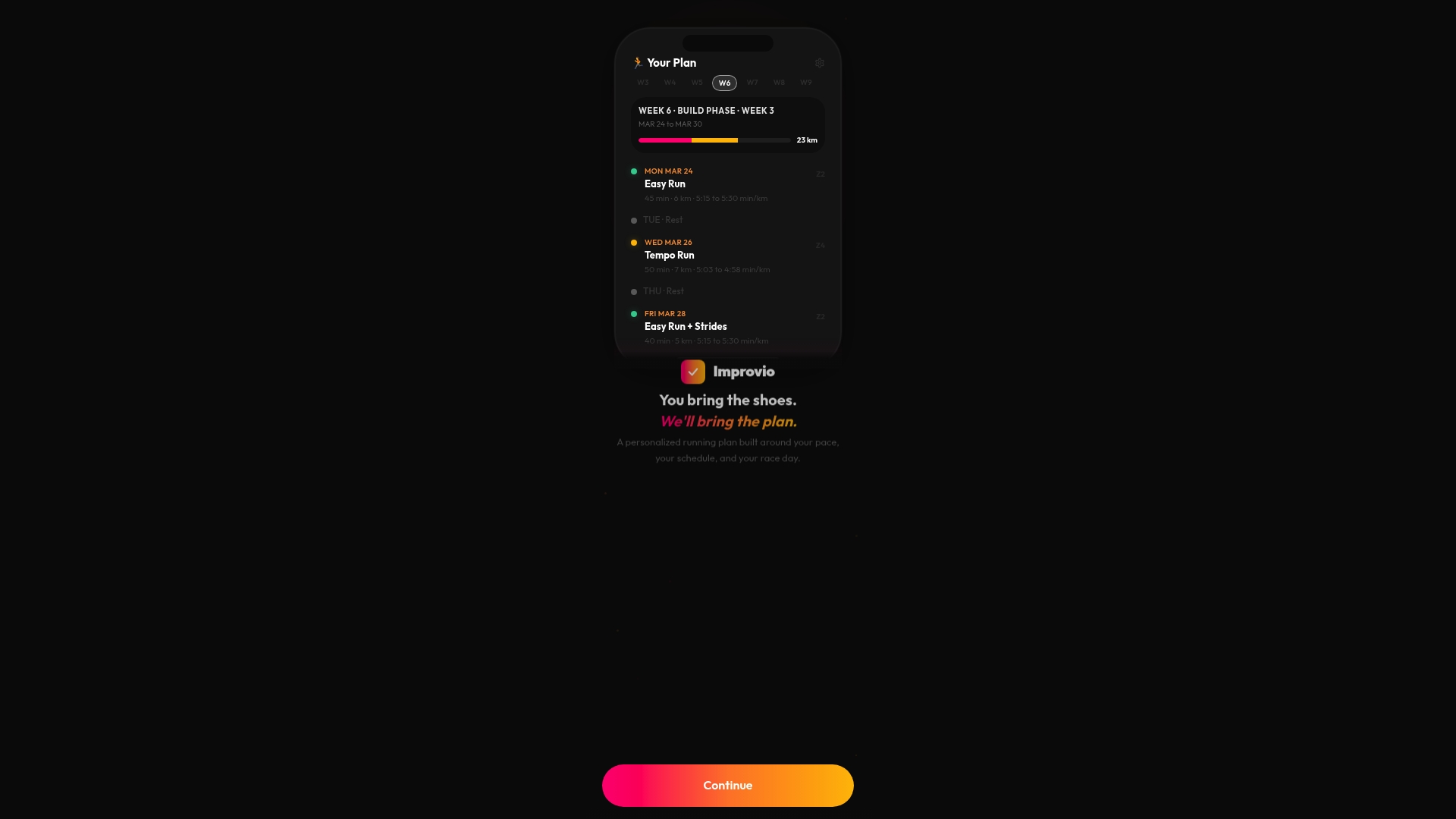
Our expert-designed plans adjust pacing and progression to match your current abilities while safely building toward your first race. Track completed sessions, monitor progress, and receive guidance that evolves as you improve. The platform takes just 60 seconds to set up and offers free initial planning, making it simple to start your running journey with professional support.
Stop wondering if you're training correctly. Personalized running plans from Improvio provide structure, accountability, and confidence, transforming overwhelming uncertainty into clear, achievable steps. Your first race awaits, and you're ready to begin preparing the right way.
FAQ
How long does it take to be ready for a beginner race?
Generally, six to eight weeks with consistent training and rest days suffices for most beginners to be race ready. Progress depends on individual fitness levels and adherence to the plan, so some may need slightly more time.
What if I can't run continuously yet?
Start with short run intervals combined with walking as recommended in this guide. Increasing running durations gradually helps build stamina safely without overwhelming your cardiovascular system or risking injury.
How do I avoid injuries while starting running?
Follow the 10% rule for mileage increases and never skip warm-up and cool-down exercises. Incorporate scheduled rest days and listen to your body's pain signals rather than pushing through discomfort. Proper footwear and gradual progression provide essential injury protection.
Can I adjust the plan if I feel tired or sore?
It's important to rest or reduce intensity if feeling overly sore or fatigued beyond normal training tiredness. Adjust sessions as needed to prevent burnout and injury, remembering that missed single workouts matter less than maintaining consistency over weeks.