
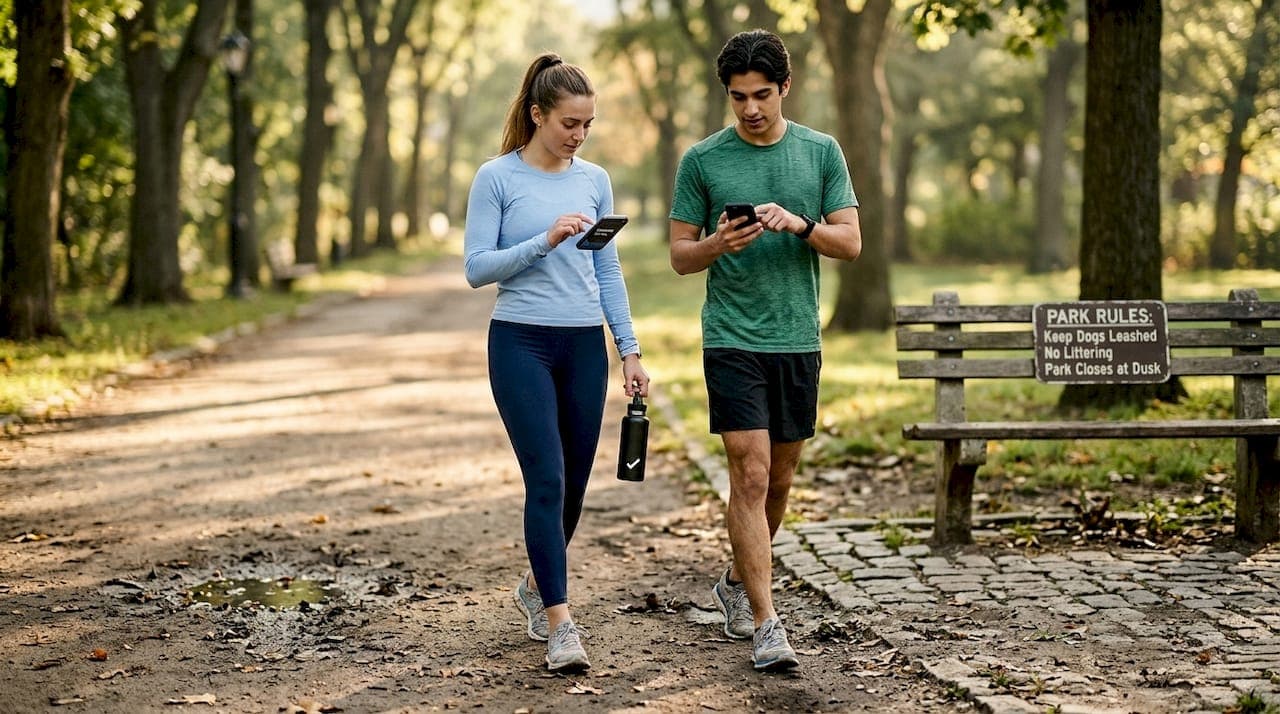
Many new runners assume that lacing up and hitting the pavement requires nothing more than determination and a decent pair of shoes. Others feel overwhelmed by the sheer volume of apps, wearables, and gadgets marketed to athletes. The truth sits comfortably in between. Modern running technology doesn't complicate your journey from couch to race day. It simplifies it. From structured training plans that adapt to your schedule to real-time feedback on your form, technology offers beginner runners personalized guidance that was once available only to elite athletes. This article explores how apps, wearables, AI analysis, and smart gear can transform your early running experience into a sustainable, injury-resistant path toward your first race.
Table of Contents
- Key Takeaways
- How running apps structure your beginner journey
- Tracking progress and health with wearables
- Improving running form with AI-powered gait analysis
- The benefits and nuances of advanced running technology
- Explore digital platforms to boost your running journey
- FAQ
Key Takeaways
| Point | Details |
|---|---|
| Structured beginner plans | Apps like Couch to 5K and Nike Run Club break goals into 8 to 12 week schedules with gradual run and walk progression. |
| Audio coaching guidance | Voice cues during runs help beginners pace themselves and avoid starting too fast. |
| Wearables track metrics | GPS watches monitor pace, distance, and heart rate while predicting race finish times from recent training data. |
| Gait analysis feedback | AI and wearable feedback on stride and impact help improve form and reduce injury risk. |
| Motivation with consistency | Progress nudges and social features support habit formation while the program emphasizes steady progression over chasing quick results. |
How running apps structure your beginner journey
Running apps designed for beginners solve a fundamental problem: knowing where to start. Programs like Couch to 5K and Nike Run Club break down intimidating race goals into manageable daily and weekly schedules. These apps typically span 8 to 12 weeks, gradually increasing running intervals while reducing walk breaks. The structure removes guesswork and builds confidence through predictable progression.
Audio coaching sets these apps apart from static training calendars. As you run, a voice in your headphones cues transitions between running and walking, offers encouragement, and reminds you to maintain an easy conversational pace. This real-time guidance helps beginners avoid the common mistake of starting too fast and burning out. You focus on the run itself rather than constantly checking your watch or phone.
Many apps gamify your progress with badges, streaks, and milestone celebrations. Completing your first continuous 20-minute run earns virtual recognition that reinforces the habit loop. Social features let you share achievements with friends or join community challenges, adding accountability without pressure. These psychological nudges matter when motivation dips during week four or five.
The types of running workouts beginners should focus on include easy runs, intervals, and recovery walks. Quality apps integrate all three into weekly plans that balance stress and adaptation. Free versions of apps like Nike Run Club offer guided runs for distances from 5K to half marathon, making structured training accessible regardless of budget.
Pro Tip: Start with apps that require minimal input and setup. The simpler the interface, the more likely you'll stick with it during those early weeks when everything feels new and slightly uncomfortable.
Tracking progress and health with wearables
GPS watches and fitness trackers transform abstract effort into concrete data. Wearables track pace, distance, and heart rate with accuracy exceeding 97% for predicting race finish times. For beginners, this means understanding whether your easy runs are truly easy or if you're pushing too hard and risking burnout. Heart rate zones guide training intensity without relying solely on perceived exertion, which can mislead newcomers.
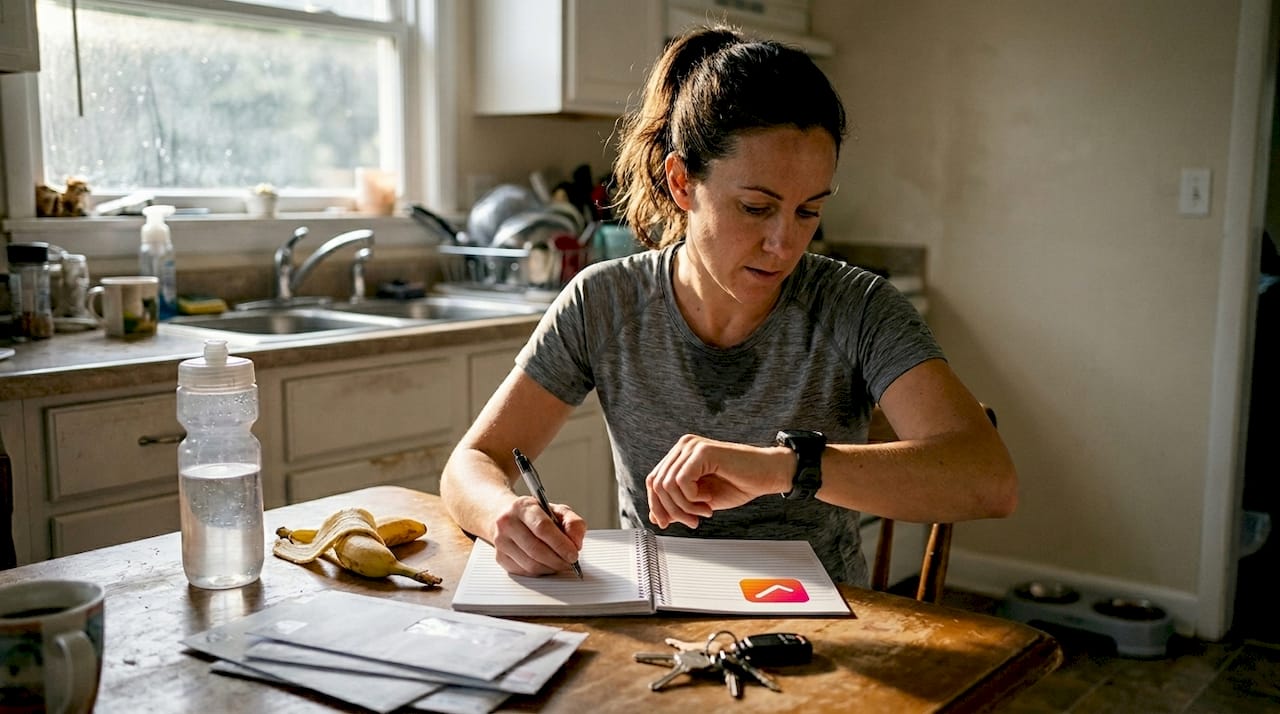
Distance tracking builds confidence through visible progress. Watching your weekly mileage climb from 6 to 12 to 18 miles over two months provides tangible proof that your body is adapting. Many watches offer race time predictions based on recent training data, helping you set realistic goals for your first 5K or 10K. These predictions use algorithms that account for pace consistency and recent performance trends.
Beyond basic metrics, wearables contribute to injury prevention. Research shows that wearables enable gait retraining by providing feedback on impact loading and stride mechanics. Some devices alert you when your cadence drops too low or your ground contact time increases, both indicators of fatigue that can lead to poor form. Catching these patterns early lets you adjust training volume before minor aches become serious injuries.
Affordable options exist across the spectrum. Entry-level fitness trackers cost under $100 and provide sufficient data for most beginners. Mid-range GPS watches add advanced features like interval timers and training load analysis. The key is choosing a device that matches your current needs rather than buying for features you might use eventually.
"Wearables don't just track your runs. They teach you to listen to your body by translating physical signals into understandable metrics that guide smarter training decisions."
Understanding why structured running plans matter for new runners becomes clearer when you can review weeks of data showing how consistent easy efforts build the aerobic base necessary for race day success.
Improving running form with AI-powered gait analysis
Poor running form contributes to many beginner injuries, yet most new runners have no idea how they actually look while running. AI-powered apps like Ochy and GaitLab use your smartphone camera to analyze running mechanics without requiring expensive lab visits or specialized equipment. You simply record yourself running on a treadmill or outdoor track, and the app evaluates foot strike patterns, joint angles, vertical oscillation, and cadence.
These apps generate personalized reports identifying specific form issues. Common problems for beginners include overstriding, excessive vertical bounce, and asymmetrical hip drop. Each issue receives a severity rating and explanation of how it affects efficiency and injury risk. The analysis goes beyond simple observation by quantifying angles and movements frame by frame.
What makes AI gait analysis particularly valuable is the corrective exercise prescription. After identifying your weaknesses, the app creates a four-week plan with targeted drills and strength exercises. These might include single-leg balance work to address hip instability or cadence drills to reduce overstriding. The exercises require minimal equipment and take 10 to 15 minutes several times per week.
Improving form leads to measurable benefits. Reducing vertical oscillation by even one centimeter per stride saves energy over the course of a 5K race. Correcting overstriding decreases impact forces on your knees and shins, lowering injury risk. Better form also feels better, making running more enjoyable and sustainable long term.
Pro Tip: Record your gait analysis videos every four weeks to track improvement. Seeing visual progress in your form provides motivation that complements the fitness gains you're building through consistent training.
The beginner's guide to proper running form covers foundational techniques that AI analysis can help you refine through objective feedback rather than guesswork.
The benefits and nuances of advanced running technology
Footwear technology has evolved dramatically in recent years. Advanced running shoes improve economy by reducing oxygen cost by 5.4 ml per kilogram per kilometer at beginner-friendly paces. This means you can run the same speed with less effort, or maintain your current effort level while running slightly faster. Carbon-plated shoes and responsive foam midsoles once reserved for elite marathoners now appear in models designed for everyday training.
For beginners, improved running economy translates to finishing workouts feeling less exhausted and recovering faster between runs. You're not suddenly running a 20-minute 5K, but you might shave 30 seconds off your time or find that your usual route feels more manageable. The cumulative effect over weeks of training makes a noticeable difference in your race readiness.
GPS technology isn't perfect despite its widespread use. Multi-GNSS systems and inertial measurement units mitigate accuracy issues caused by tall buildings, dense tree cover, and atmospheric conditions. Beginners running in urban environments or wooded trails may notice occasional distance discrepancies. Understanding these limitations prevents frustration when your watch shows 3.2 miles on a route you know is exactly 3.1 miles.
Optical heart rate monitors, while convenient, have accuracy limitations during cold weather and high-intensity intervals. The sensors rely on blood flow detection through your skin, which becomes less reliable when your hands are cold or during rapid heart rate changes. Chest strap monitors provide more consistent data but require additional equipment and setup.
Common tech limitations for beginners:
- GPS drift in urban canyons or under heavy tree cover
- Optical heart rate lag during interval workouts
- Battery life constraints on longer runs
- Learning curve for advanced features and settings
Balancing technology use prevents data overload. New runners sometimes obsess over every metric, checking their watch every 30 seconds and stressing over pace fluctuations. This defeats the purpose of easy runs, which should feel relaxed and conversational. Technology works best when it provides useful feedback without dominating your attention during the run itself.
| Technology Type | Primary Benefit | Key Limitation |
|---|---|---|
| Running apps | Structured guidance and motivation | Requires phone during runs |
| GPS watches | Accurate distance and pace tracking | GPS drift in certain environments |
| Heart rate monitors | Training intensity guidance | Optical sensors less accurate in cold |
| Gait analysis apps | Form improvement feedback | Requires regular video recording |
| Advanced footwear | Improved running economy | Higher cost than basic shoes |
Consistency matters more than perfect metrics for beginners. Missing a run because you forgot to charge your watch is counterproductive. Technology should support your training, not become a prerequisite for getting out the door. Staying motivated as a beginner runner often means finding the right balance between helpful data and simple enjoyment of the activity.
Explore digital platforms to boost your running journey
Now that you understand how technology supports beginner runners, consider how a digital running platform can bring these benefits together in one place. Improvio creates personalized training plans tailored to your current fitness level, weekly schedule, and race date. The platform adapts as you progress, adjusting workout intensity based on your performance and recovery needs.
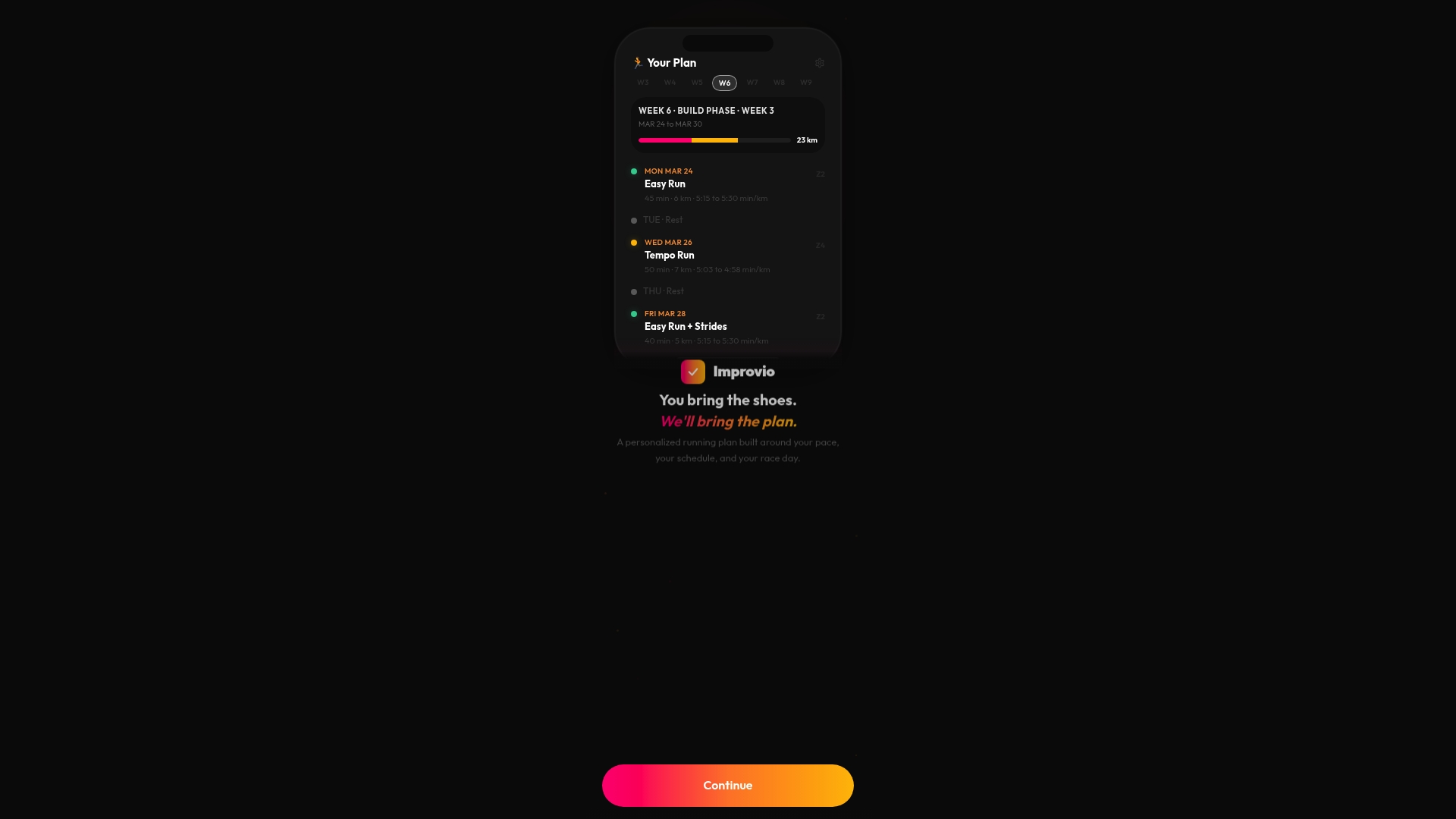
Integration with popular wearables and apps means your training data flows seamlessly into your plan without manual entry. You get the structure of a coach-designed program with the flexibility to adjust for life's inevitable schedule changes. The user-friendly interface removes technical barriers, letting you focus on the actual running rather than managing complex software. Whether you're training for your first 5K or building toward a 10K, personalized guidance keeps you on track from your first run to race day.
FAQ
What is the best app for beginner runners?
Couch to 5K and Nike Run Club consistently rank as top choices for beginners due to their structured progression and audio coaching features. Both apps offer free versions with complete training plans that guide you from minimal running experience to 5K race readiness. Choose based on interface preference and whether you want community features or prefer solo training. The variety of running workouts for beginners available through these apps ensures you develop well-rounded fitness rather than just logging miles.
Do I need a GPS watch as a beginner?
GPS watches provide valuable data but aren't mandatory for starting your running journey. Many successful beginners train using only their smartphone and a free app for the first few months. A watch becomes more useful as you progress and want detailed metrics without carrying your phone. Understanding why running plans matter helps you decide whether tracking technology fits your training approach. Consistency and gradual progression matter far more than having the latest device.
How can technology help prevent running injuries?
AI-powered gait analysis apps identify form issues like overstriding and excessive impact before they cause injuries. These apps generate corrective exercise plans that address your specific weaknesses through targeted drills. Wearables monitor training load and alert you when you're increasing volume too quickly, a common cause of overuse injuries. The proper running form techniques that technology helps you develop reduce stress on joints and muscles, making your training more sustainable long term.
Can running technology replace a human coach?
Technology provides structure, data, and general guidance but lacks the nuanced judgment of an experienced coach. Apps follow algorithms based on average responses to training, while coaches adjust plans based on subtle cues about your fatigue, motivation, and life circumstances. For most beginners, quality apps and wearables offer sufficient guidance to reach initial race goals. As you advance and pursue more ambitious targets, combining technology with occasional coaching sessions provides the best of both approaches.
How much should beginners spend on running technology?
Start with free apps and your existing smartphone before investing in dedicated devices. Many beginners successfully complete their first 5K using only free resources. If you decide running is a long-term commitment after a few months, consider a mid-range GPS watch in the $150 to $250 range. Advanced footwear costs between $130 and $180 but isn't necessary until you're running consistently three to four times per week. Let your commitment level guide spending rather than buying everything upfront.