

Many new runners believe motivation comes naturally once they lace up their shoes, but reality tells a different story. Up to 50% quit within 3 months, not from lack of desire but from unrealistic expectations and poor planning. This guide reveals what truly drives beginner runner motivation and how to build a sustainable running routine that carries you through training challenges to your first race finish line. You'll discover practical strategies grounded in research that help absolute beginners stay committed, avoid common pitfalls, and find genuine joy in running.
Table of Contents
- Why Beginner Runners Struggle With Motivation
- Setting Realistic Goals To Boost Motivation
- The Role Of Structured Training Plans And Social Support
- Intrinsic Motivation And Picking The Right Race Distance
- Discover Personalized Running Plans With Improvio
- Frequently Asked Questions
Key takeaways
| Point | Details |
|---|---|
| Realistic expectations prevent dropout | Setting achievable goals from day one keeps you motivated through early training challenges. |
| Structured plans boost commitment | Following a gradual training schedule increases adherence rates from 30% to 80%. |
| Process goals outperform outcome goals | Focusing on weekly runs rather than race times improves consistency by 20 to 30%. |
| Social support enhances motivation | Training with others or joining groups increases adherence by 25% through accountability. |
| Intrinsic motivation sustains habits | Running for personal enjoyment rather than external rewards leads to 30 to 40% better long term success. |
Why beginner runners struggle with motivation
New runners face a harsh reality that fitness marketing rarely mentions. Beginner runners often overestimate capabilities, pushing too hard too fast and ending up injured or burned out within weeks. The excitement of starting a new fitness journey quickly fades when your body rebels against unrealistic demands.
The dropout statistics paint a sobering picture. Research shows that up to 50% quit within 3 months primarily due to motivation loss and time constraints. These aren't character flaws. They're predictable outcomes of starting without proper structure or understanding of how to build running fitness gradually.
Several specific factors sabotage beginner motivation:
- Attempting too much mileage too quickly leads to overuse injuries
- Comparing yourself to experienced runners creates discouragement
- Lacking a clear plan makes it easy to skip workouts
- Not seeing immediate results triggers frustration
- Underestimating recovery needs causes persistent fatigue
The injury risk compounds motivation problems. When you increase weekly mileage by more than 10%, your injury risk jumps significantly. Pain and setbacks destroy the fragile motivation that new runners carry into their first weeks of training.
Time management presents another major barrier. Between work, family, and other commitments, finding 30 to 45 minutes for running feels impossible some days. Without a structured approach that fits your actual schedule, skipping workouts becomes the default choice.
Understanding why following a training plan matters helps you avoid these common pitfalls and maintain motivation through the challenging early weeks.
Pro Tip: Start with run/walk intervals rather than continuous running. This approach builds fitness without overwhelming your body, keeping motivation high as you progress gradually toward longer running segments.
The good news? These motivation killers are entirely preventable when you understand the principles of sustainable training progression and apply them from day one of your beginner running workflow.
Setting realistic goals to boost motivation
Goal setting makes or breaks beginner runner motivation, but not all goals work equally well. The distinction between outcome goals and process goals determines whether you'll stick with running or join the dropout statistics.
Outcome goals focus on end results like finishing a 5K in under 30 minutes or losing 15 pounds. Process goals target the behaviors that lead to outcomes, such as running three days per week or completing each scheduled workout. Research demonstrates that process goals increase consistency by 20 to 30% compared to outcome focused approaches.
Here's why process goals work better for beginners:
- You control the actions directly rather than hoping for specific results
- Progress feels immediate and measurable each week
- Setbacks don't derail your entire motivation system
- Small wins accumulate into lasting habit formation
The SMART framework transforms vague intentions into actionable targets. Making goals Specific, Measurable, Attainable, Relevant, and Time bound creates clarity that fuels motivation. Studies show SMART goals increase adherence by 40% because they eliminate ambiguity about what success looks like.
| Goal Type | Example | Adherence Impact | Motivation Effect |
|---|---|---|---|
| Outcome only | Finish 5K under 30 minutes | Moderate | Drops if not achieved |
| Process only | Run 3 days weekly | High | Consistent weekly wins |
| Combined approach | Run 3x weekly to prepare for 5K | Highest | Balanced short and long term |
Tracking progress amplifies motivation by making improvement visible. Whether you use a running app, journal, or simple calendar, recording each completed workout provides concrete evidence of your commitment. This visual representation becomes especially powerful during tough weeks when motivation dips.
Celebrating milestones matters more than most beginners realize. Acknowledging your first continuous mile, completing your longest run, or hitting a weekly mileage target reinforces positive associations with running. These celebrations don't need to be elaborate. Simply recognizing progress trains your brain to anticipate rewards from running.
Pro Tip: Write down three process goals for this month and post them where you'll see them daily. This simple act increases your likelihood of following through by keeping intentions front of mind.
Understanding why beginners need running structure helps you appreciate how goal setting fits into a larger framework of motivation and success. The structure provides the roadmap while goals give you specific targets along the journey.
When you're ready to put these principles into action, learning how to make a training plan that incorporates both process and outcome goals sets you up for sustainable progress.
The role of structured training plans and social support
Structured training plans transform beginner runner motivation from fleeting enthusiasm into sustained commitment. The difference between training with and without a plan shows up dramatically in adherence statistics. Research reveals that structured plans increase adherence from 30% to 80%, nearly tripling your chances of sticking with running.
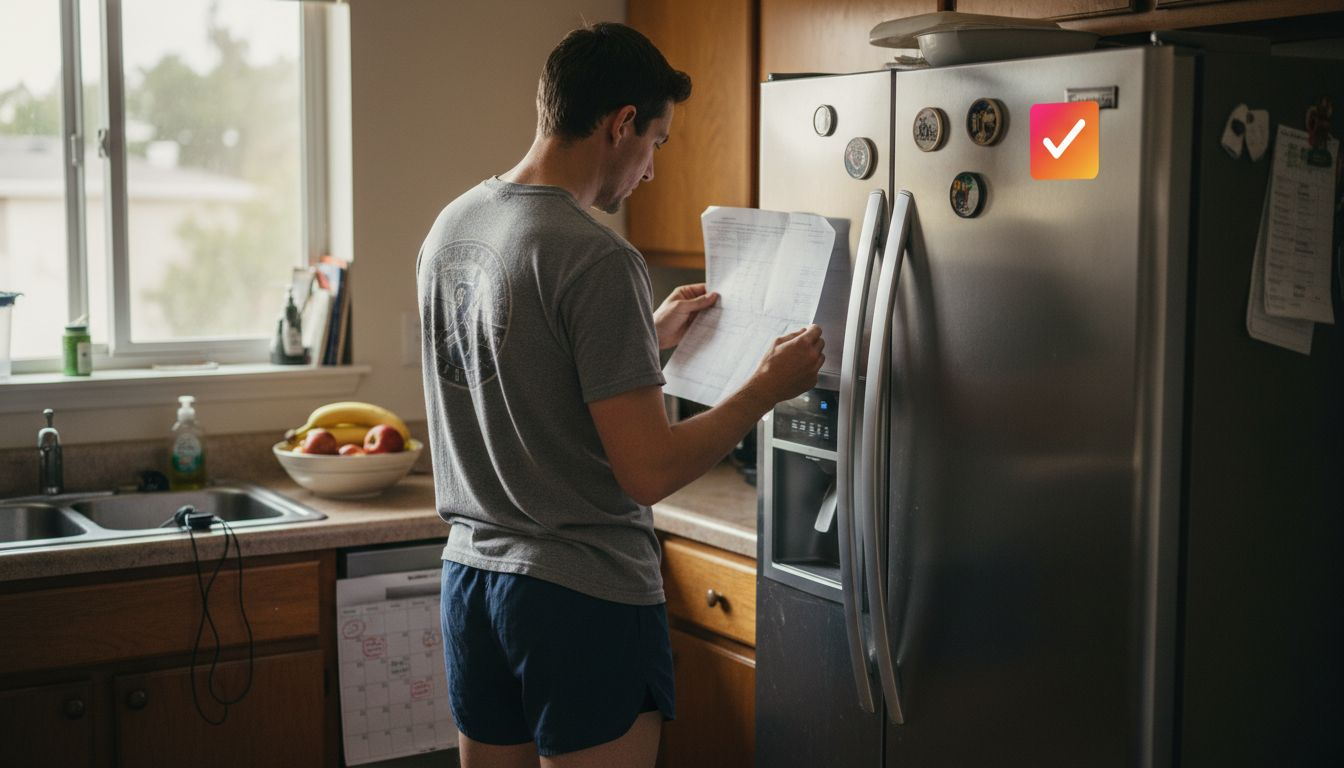
Plans work by removing daily decision making about what to do. Instead of wondering whether you should run today or how far to go, you simply follow the schedule. This clarity eliminates a major source of procrastination and self doubt that derails many beginners.
Gradual mileage progression built into quality plans protects you from injury while building fitness. The 10% rule, limiting weekly mileage increases to no more than 10%, gets baked into the schedule automatically. You don't need to calculate or second guess. The plan handles the math while you focus on showing up.
Key benefits of structured training include:
- Predetermined workout days eliminate scheduling confusion
- Progressive difficulty builds confidence through manageable challenges
- Built in rest days prevent overtraining and burnout
- Variety in workout types keeps training interesting
- Clear milestones provide regular motivation boosts
Social support amplifies the motivation benefits of structured training. Studies show social support improves adherence by 25% through accountability and encouragement. Having someone who expects you to show up makes skipping workouts significantly harder.
| Training Approach | Average Adherence | Injury Rate | Motivation Level | Race Completion |
|---|---|---|---|---|
| No plan, solo | 30% | High | Drops quickly | 40% |
| Structured plan, solo | 65% | Moderate | Steady | 75% |
| Structured plan, social support | 80% | Low | Sustained | 90% |
Running groups provide multiple motivation advantages beyond simple accountability. You learn from more experienced runners, discover new routes, and build friendships around a shared interest. The social aspect transforms running from solitary suffering into an enjoyable community activity.
Training buddies offer flexibility that formal groups sometimes lack. Finding even one person with similar goals and schedule creates mutual accountability without requiring you to commit to large group dynamics. You push each other on tough days and celebrate progress together.
Pro Tip: Join a beginner running group or find a training buddy who shares your race goal. The accountability and encouragement will carry you through days when individual motivation falters.
Online communities serve runners who prefer virtual connection or have schedule constraints. Apps and forums connect you with thousands of beginners facing similar challenges. Sharing your progress and reading others' experiences normalizes the ups and downs of training.
Understanding the benefits of structured running schedules helps you appreciate why plans work so effectively for maintaining motivation. The structure provides external support when internal motivation wavers.
Exploring different types of running workouts within your plan keeps training varied and interesting, preventing the boredom that often undermines beginner motivation after the initial excitement fades.
Intrinsic motivation and picking the right race distance
Intrinsic motivation separates runners who maintain the habit for years from those who quit after their first race. This internal drive means running for personal enjoyment, health, and satisfaction rather than external rewards like medals or social media praise. Research demonstrates intrinsic motivation leads to better adherence by 30 to 40% compared to extrinsic motivation alone.
The difference shows up most clearly when challenges arise. Intrinsically motivated runners view a tough workout as an opportunity to grow stronger. Those running primarily for external validation see the same workout as punishment. This mindset shift determines whether you push through obstacles or use them as excuses to quit.
Finding personal meaning in running takes intentional reflection. Ask yourself what aspects of running feel genuinely rewarding beyond race results or fitness metrics. Many beginners discover unexpected sources of joy:
- Mental clarity and stress relief during and after runs
- Sense of accomplishment from completing challenging workouts
- Connection with nature on outdoor running routes
- Personal time away from daily demands and responsibilities
- Physical sensations of movement and increasing strength
- Progress tracking and self improvement journey
Choosing the right first race distance significantly impacts motivation sustainability. The 5K distance at 3.1 miles offers the ideal balance of challenge and achievability for beginners. Training plans typically span 6 to 8 weeks, long enough to build fitness without testing patience. The 5K balances challenge and achievability perfectly for newcomers.
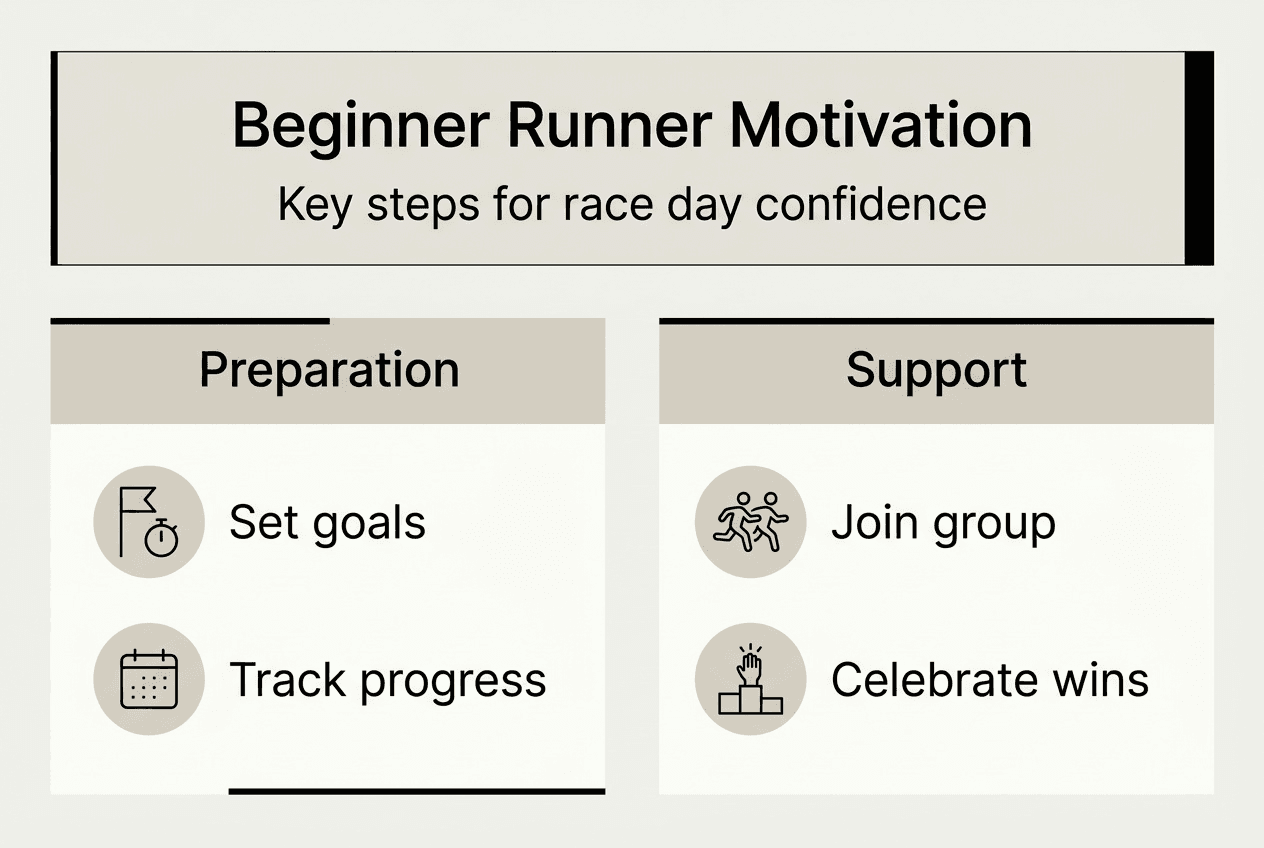
Starting with distances beyond 5K often backfires for beginners. A 10K or half marathon requires months of training that can feel overwhelming when you're just starting. The extended timeline provides more opportunities for motivation to waver and life circumstances to interfere. Success with a 5K builds confidence and establishes the running habit before tackling longer distances.
Race day itself becomes a powerful intrinsic motivator when approached correctly. Focus on the experience rather than performance metrics. Notice the energy of other runners, the excitement of the starting line, and the pride of crossing the finish line. These emotional rewards create positive associations that fuel future training.
Pro Tip: Focus on how running makes you feel rather than just race results. Notice improvements in energy, sleep quality, stress management, and overall wellbeing to strengthen intrinsic motivation.
The journey toward running for beginners race success starts with understanding what truly motivates you internally. External goals like finishing times matter less than developing genuine enjoyment of the running process itself.
Building intrinsic motivation takes time and self awareness. Pay attention to which aspects of training energize you versus drain you. Structure your running routine to maximize the enjoyable elements while minimizing the parts that feel like obligations. This customization makes running sustainable long after your first race.
Discover personalized running plans with Improvio
Applying these motivation principles becomes effortless when you have the right tools supporting your journey. Improvio creates personalized running plans tailored to your current fitness level, schedule, and race goals in just 60 seconds. The platform combines proven motivational strategies with expert guidance to keep you on track from your first run through race day.
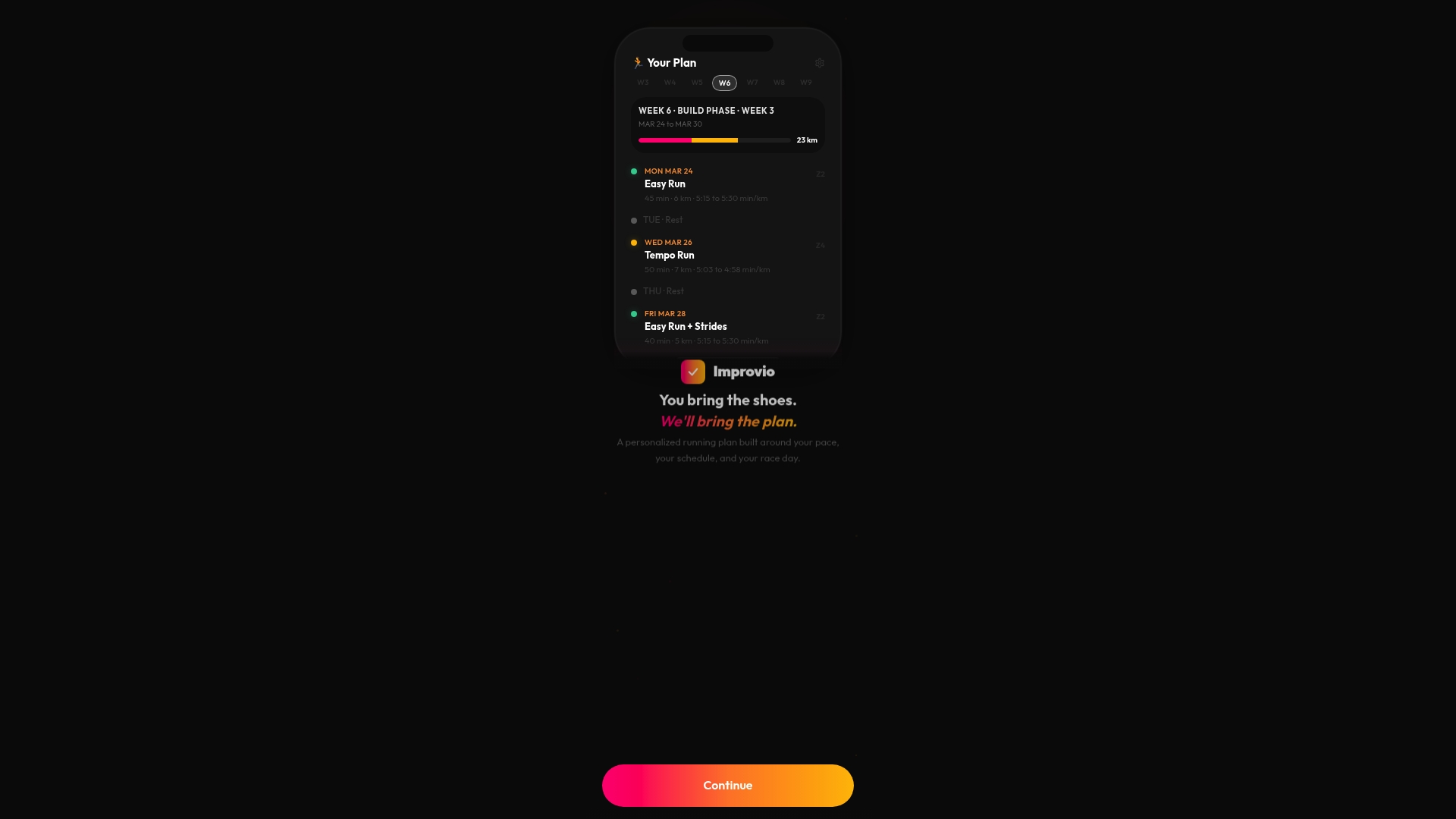
Every plan incorporates gradual progression, process oriented goals, and structured schedules that research shows maximize beginner adherence. You'll receive daily workout guidance that eliminates guesswork while building confidence through achievable challenges. The platform tracks your progress automatically, providing the visual feedback that strengthens motivation week after week. Join a community of beginner runners who understand the challenges you face and celebrate every milestone alongside you.
Frequently asked questions
What motivates beginner runners to start?
Beginners typically start running for health improvements, weight management, or personal challenge goals. However, sustaining motivation requires shifting from these external triggers to intrinsic rewards like stress relief and personal accomplishment. Understanding running structure for beginners helps maintain motivation beyond initial enthusiasm.
How do I stay motivated when training gets hard?
Focus on process goals like completing scheduled workouts rather than performance outcomes. Track small wins weekly and celebrate progress milestones to maintain momentum. Social support from training partners or groups provides accountability during challenging periods when individual motivation dips.
What type of goals work best for beginner runners?
Process oriented goals that focus on behaviors you control directly work best for beginners. Examples include running three days weekly or completing each scheduled workout rather than targeting specific race times. These goals provide immediate feedback and consistent motivation throughout training.
Why do so many beginners quit running?
Most beginners quit due to unrealistic expectations, lack of structure, and inadequate recovery time. Starting too aggressively leads to injury and burnout while missing a clear plan makes skipping workouts easy. Learning how to make a training plan prevents these common pitfalls.
How long does it take to build running motivation?
Building sustainable motivation typically requires 4 to 8 weeks of consistent training as running becomes habitual. During this period, focus on intrinsic rewards like improved energy and stress relief rather than external validation. The habit formation process strengthens as you accumulate small wins and positive associations with running.
Should I train alone or with others as a beginner?
Training with others increases adherence by 25% through accountability and encouragement. However, solo training works well when combined with a structured plan and online community support. Choose the approach that fits your schedule and personality while ensuring some form of accountability exists.