
TL;DR:
- Tracking progress and celebrating small wins helps beginners stay motivated and prevent quitting.
- Proper gear, consistent tracking, and setting milestones reduce injury risk and build running habits.
- Focusing on consistency over pace or distance is the key to long-term success for new runners.
Starting your first running journey feels exciting. Then week two hits, and you wonder: am I actually getting better? Most new runners have no clear way to measure their wins, and that uncertainty leads to frustration and quitting. In fact, C25K completion rates sit as low as 35 to 50 percent, largely because runners lack a clear system to stay on track. The good news? You do not need fancy gear or a coach. You just need a simple plan for tracking your runs, celebrating small wins, and building toward your first race one step at a time. This guide shows you exactly how.
Table of Contents
- What you need to start tracking your running progress
- Simple ways to track your runs: pen, apps, and wearables
- Setting milestones and goals for steady improvement
- Avoiding common mistakes and roadblocks as a beginner
- One thing beginners almost always overlook when tracking progress
- Make tracking your progress effortless
- Frequently asked questions
Key Takeaways
| Point | Details |
|---|---|
| Gear and tools matter | Starting with proper shoes and simple tracking tools reduces your risk of injury and boosts success. |
| Consistency beats speed | Tracking every run, not just your fastest, is key to forming lasting habits and seeing progress. |
| Break goals into milestones | Smaller achievements make big goals feel easier and help you stay motivated as you improve. |
| Learn from mistakes | Spotting and fixing roadblocks early keeps you injury-free and on your running journey. |
What you need to start tracking your running progress
Now that you know why tracking matters, let's get you equipped for success. You do not need much to get started. The basics are simple: a good pair of running shoes, comfortable clothes, and something to record your runs. That last part is more flexible than you think.
Here is what every beginner needs before their first tracked run:
- Running shoes fitted for your foot type (not just any sneaker)
- Moisture-wicking clothes to stay comfortable on longer runs
- A running journal or free app to log your date, distance, and time
- A simple goal like completing three runs this week
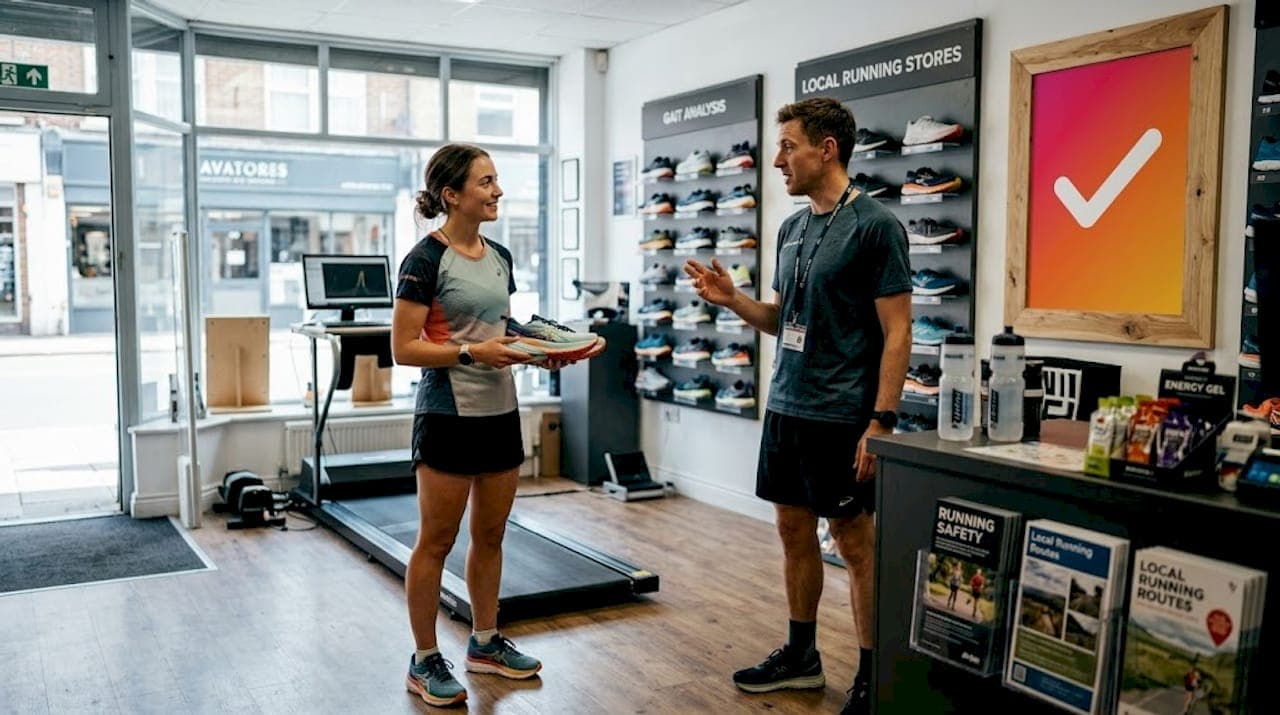
Poor gear is a bigger problem than most people realize. Only 52% of beginners wear proper running shoes, and bad footwear contributes to 78 percent of injury-driven dropouts. Getting the right shoes from day one is one of the best injury prevention tips you will ever follow.
Pro Tip: Visit a specialty running store and ask for a gait analysis. It takes 10 minutes and can save you months of pain.
Once your gear is sorted, choose your tracking method. Here is a quick comparison to help you decide:
| Feature | Manual (journal/printed sheet) | App (smartphone/watch) |
|---|---|---|
| Cost | Free | Free to low cost |
| Ease of setup | Instant | 2 to 5 minutes |
| Reminders | None | Yes, automated |
| Progress charts | Manual | Automatic |
| Best for | Tech-averse runners | Data lovers |
Both methods work. The key mindset shift is this: stop measuring yourself against other runners. Celebrate the fact that you showed up. Every completed run is a win worth recording.
Simple ways to track your runs: pen, apps, and wearables
With your gear and mindset set, here is how to record every step you take. Tracking does not have to be complicated. Pick one method and stick with it for at least four weeks before switching.
Here are three easy ways to get started:
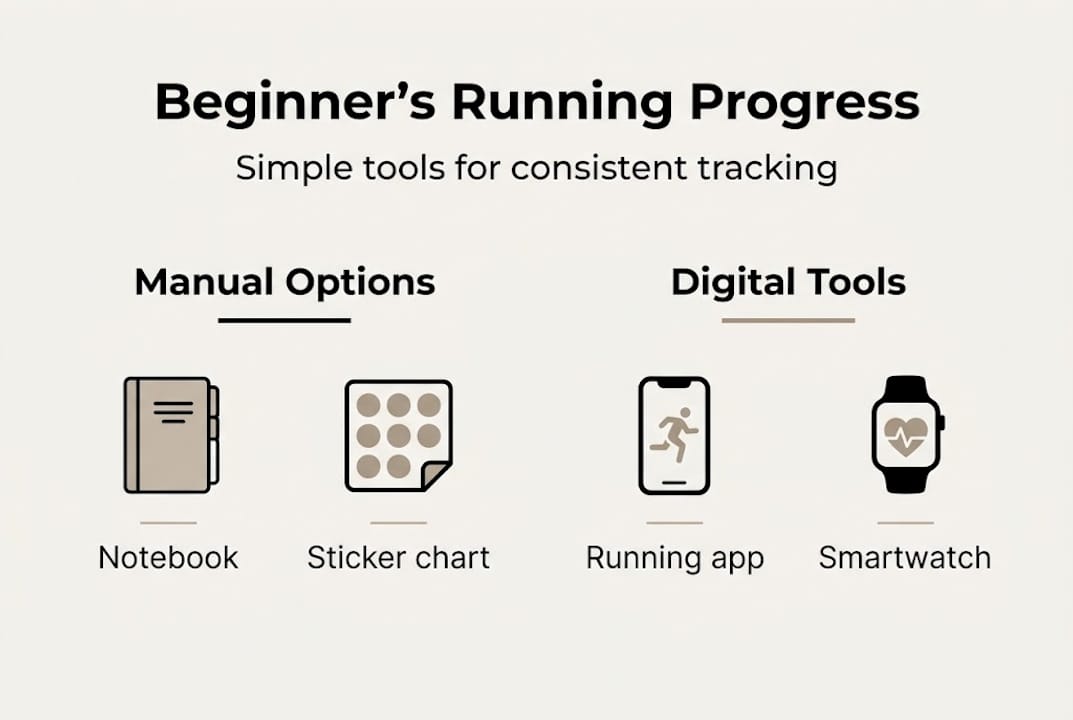
- Write it down. Right after each run, jot the date, how far you ran, and how long it took. A simple notebook works perfectly.
- Use a free app. Apps like Strava or Nike Run Club track your route, pace, and time automatically using your phone's GPS. They also send reminders so you do not skip sessions.
- Try a wearable. A fitness watch or smartwatch automates everything. It tracks heart rate, steps, and distance without you lifting a finger.
Here is a quick breakdown of popular run tracking basics to help you compare your options:
| Tool | Ease of use | Cost | Reminders | Progress charts |
|---|---|---|---|---|
| Notebook | Very easy | Free | No | Manual only |
| Free app | Easy | Free | Yes | Yes |
| Paid app | Easy | $5 to $15/month | Yes | Advanced |
| Fitness watch | Moderate | $50 to $300+ | Yes | Yes |
Paper and digital tracking both support habit formation. The difference is that apps offer automated reminders and visual charts that show your improvement over time. Both tracking methods work well when used consistently. The worst tracking system is the one you abandon after three days. Choose what fits your lifestyle, not what looks most impressive.
Setting milestones and goals for steady improvement
Once you are tracking your runs, the next step is setting goals you will actually achieve. Big goals like "run a 5K" can feel overwhelming when you are starting from zero. Breaking them into smaller milestones makes everything feel possible.
Here is a simple milestone path for absolute beginners:
- Week 1: Complete all three scheduled runs, no matter how slow
- Week 2: Run for 10 minutes without stopping
- Week 3: Cover 1 full mile without a walk break
- Week 4: Increase your total weekly distance by 10 percent
- Week 6: Complete a 30-minute easy run
- Race day: Cross the finish line
Breaking the journey into milestones makes tracking less overwhelming and far more actionable for new runners. Each milestone gives you something specific to aim for and celebrate. That feeling of progress is what keeps you lacing up when motivation dips.
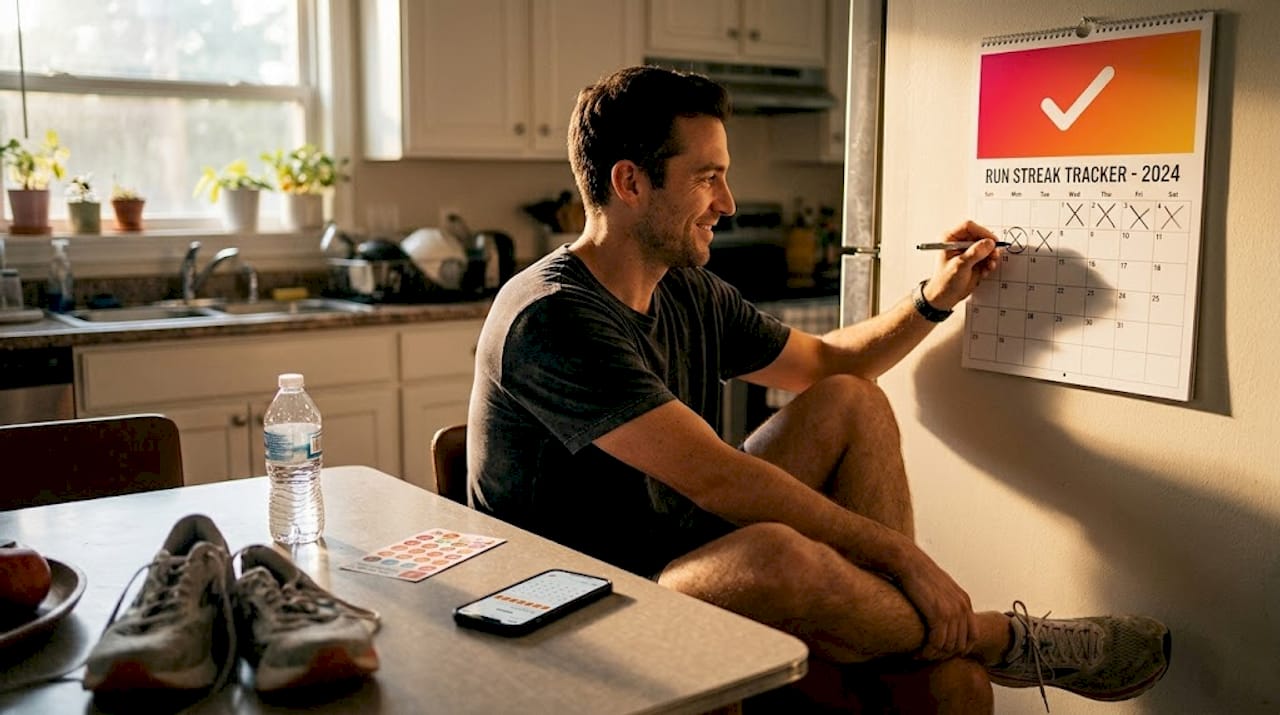
Connecting your tracking to these milestones also builds momentum. When you see a full week of completed runs in your journal or app, you feel the habit forming. That feeling is powerful. Use your beginner running milestones as checkpoints, not finish lines.
Pro Tip: Use a sticker chart, a calendar, or your app's streak feature to mark every completed session. Seeing a visual chain of wins makes you far less likely to break it.
If you want more structure around your milestones, making a training plan around them gives your progress a clear direction and timeline.
Avoiding common mistakes and roadblocks as a beginner
Even a solid plan can get derailed if you fall into common traps. Here is how to sidestep them before they slow you down.
The four most common beginner mistakes are:
- Skipping rest days. Your body repairs and gets stronger on rest days. Running every day as a beginner leads to burnout and injury fast.
- Ignoring pain. Soreness is normal. Sharp or persistent pain is not. Stop, rest, and reassess before your next run.
- Wearing poor shoes. We covered this already, but it is worth repeating. The wrong shoes are the fastest route to injury.
- Not tracking at all. Without data, you cannot see progress or spot warning signs early.
"78% of dropouts are driven by injury. Most are preventable with the right preparation and gear."
Here is how to troubleshoot each one:
- Skipping rest: Schedule rest days the same way you schedule runs. Put them in your calendar.
- Ignoring pain: Use the 2-day rule. If something hurts for more than two consecutive days, take a full week off.
- Poor shoes: Get fitted properly before your first run. It is a one-time investment.
- No tracking: Start with just one data point per run. Date and time. That is enough to build the habit.
Staying injury-free is not about being cautious. It is about being smart. Running plans for beginners build in rest and progression so you do not have to guess. And when motivation dips, first race motivation tips can help you push through the rough patches and stay consistent.
One thing beginners almost always overlook when tracking progress
Now that you can track your numbers, here is what really counts as progress. Most beginners obsess over pace and distance. They check their splits after every run and feel disappointed if the numbers do not improve fast enough. That mindset leads to frustration.
Here is the truth: your biggest win in the first 8 weeks is not running faster. It is showing up consistently. High dropout rates show that most beginners track only distance and time but overlook consistency as a meaningful measure of progress. Consistency is the foundation everything else is built on.
We believe that every completed week deserves the same celebration as a personal record. The habit you are building right now is more valuable than any pace improvement. Speed comes later. Habit comes first.
Pro Tip: Add a "days completed" column to your run log. Track your weekly streak. After four weeks, that streak becomes something you genuinely do not want to break.
The structured plan benefits go beyond just telling you what to run. A good plan gives you permission to slow down, rest, and still feel like you are making progress. That is a mindset shift most beginners never make on their own.
Make tracking your progress effortless
Ready to make progress tracking super simple? The right tool does the heavy lifting so you can focus on running.
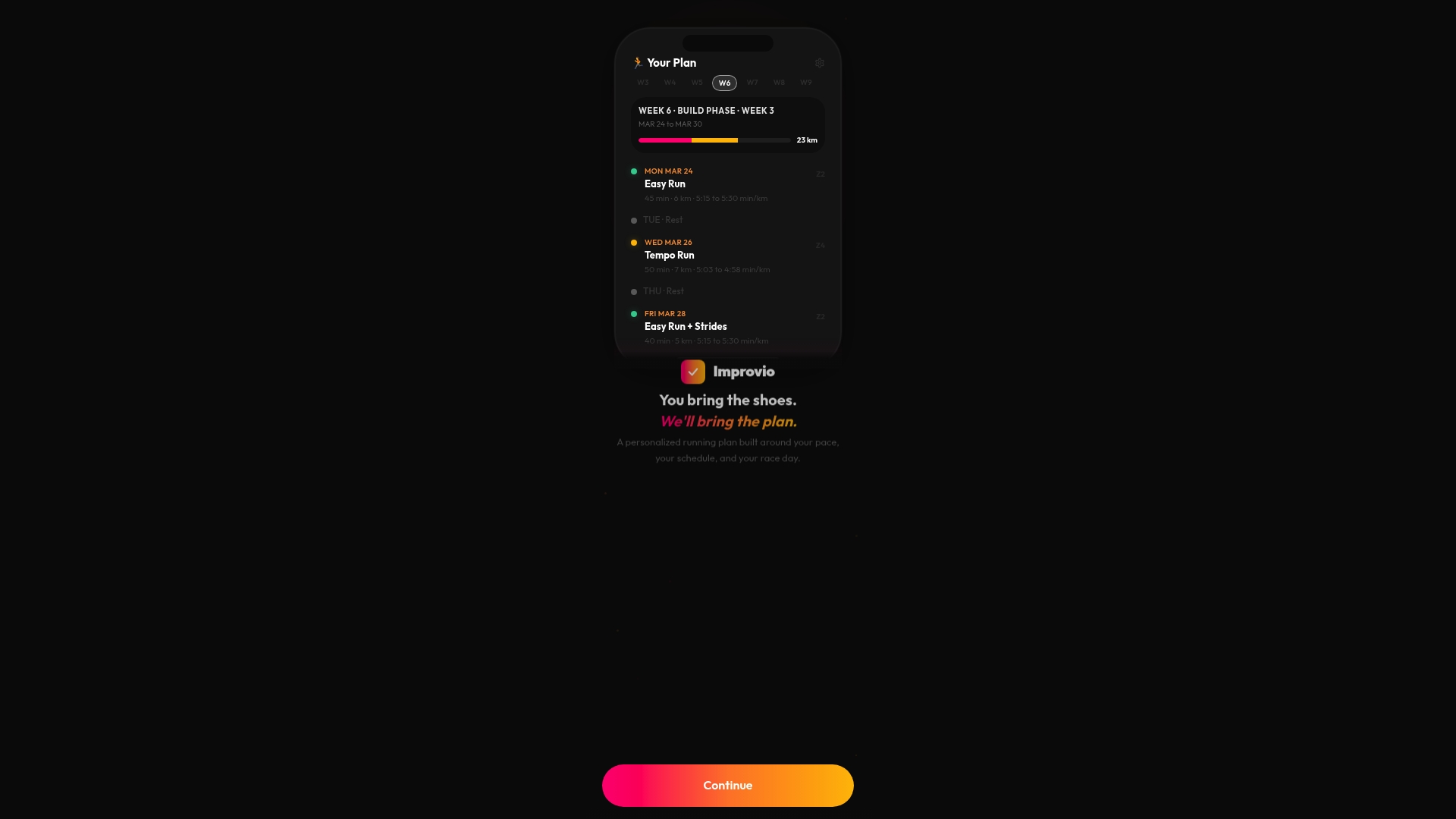
Improvio builds you a personalized running plan in about 60 seconds, based on your pace, schedule, and race date. No experience needed. The plan adjusts to you, sends reminders, and tracks your milestones automatically. You can learn about run tracking as you go, without feeling overwhelmed. Everything we covered in this guide, from gear to milestones to avoiding injury, is baked right into how the Improvio running app works. Start your free plan today. You bring the shoes. We will bring the plan.
Frequently asked questions
What is the easiest way to start tracking my runs as a beginner?
Jot your distance and time in a simple notebook or use a free app right after each run. Both entry points are beginner-friendly and require no special setup.
How often should I record my runs to see improvement?
Log every single session, even short ones. Tracking each session makes milestones visible and reviewing weekly helps you spot trends and stay motivated.
What should I do if I miss a run or lose motivation?
Treat a missed run as a reset, not a failure. Review your milestone list, revisit your race goal, or check out motivational strategies like joining a local running group to get back on track.
How can tracking prevent running injuries as a beginner?
Regular tracking highlights warning signs like a slowing pace or extra fatigue early. Spotting these patterns before they become serious lets you rest and recover before an injury forces you to stop.