

TL;DR:
- Dynamic stretching before runs activates muscles, while static stretching after aids recovery.
- Stretch for 30 seconds per muscle, 2-4 times, focusing on key muscle groups.
- Consistent, proper stretching complements strength and mobility training for beginner runners.
If you're new to running, stretching can feel like a puzzle. Should you stretch before or after a run? How long should you hold each position? Will it actually keep you injury-free? These are real questions, and the answers might surprise you. The good news is that building a solid stretching routine doesn't have to be complicated. We're going to cut through the noise, share what the research actually says, and give you practical routines you can start using right away. Whether you're training for your first 5K or just getting moving, this guide is built for you.
Table of Contents
- How to approach stretching as a new runner
- Essential stretches every beginner should know
- Dynamic vs. static stretching: When and why it matters
- Common stretching myths and practical mistakes
- A coach's take: What most guides miss about stretching for beginners
- Build your best running routine with Improvio
- Frequently asked questions
Key Takeaways
| Point | Details |
|---|---|
| Stretch after warming up | Gentle stretching is most effective when done on warmed muscles, not cold. |
| Focus on key muscle groups | Prioritize calf, hamstring, quadriceps, hip flexor, IT band, and lower back routines for maximum benefit. |
| Balance dynamic and static moves | Use dynamic stretches before running and static stretches after to boost flexibility and recovery. |
| Don’t over-rely on stretching | Stretching improves flexibility, but it’s not a proven method for injury prevention; strength and consistency matter too. |
How to approach stretching as a new runner
Before you touch your toes or pull your knee to your chest, it helps to understand the two main types of stretching. Dynamic stretching means moving your body through a range of motion, like leg swings or high knees. Static stretching means holding a position for a set amount of time, like a standing calf stretch. Both have a place in your routine, but timing matters a lot.
The American College of Sports Medicine (ACSM) recommends flexibility exercises for all major muscle groups 2 to 3 times per week, totaling 60 seconds per stretch. That's not a huge time commitment. It's actually very manageable, even for the busiest schedules.
Here's the key rule: always warm up before you stretch. A 5 to 10 minute easy walk or light jog gets blood flowing to your muscles and makes them more pliable. Cold muscles don't respond well to stretching, and forcing them can cause more harm than good. For dynamic warmup tips that pair perfectly with your pre-run routine, a little movement prep goes a long way.
For beginners, gentle stretches post-light warmup are the safest starting point. Avoid bouncing in a stretch. That's called ballistic stretching, and it can strain your muscles. Instead, ease into a position until you feel a slight pull, then hold it there.
Here's a simple framework to follow:
- Dynamic stretches before your run (leg swings, walking lunges, hip circles)
- Static stretches after your run (calf holds, hamstring stretches, hip flexor stretches)
- Frequency: 2 to 3 times per week, covering all major muscle groups
- Duration: Hold each static stretch for 30 seconds, 2 to 4 repetitions per side
- Intensity: Aim for a gentle pull, never sharp pain
Pro Tip: Even a 10-minute routine done consistently three times a week beats a 45-minute session once a month. Regularity is what builds real flexibility over time. Think of it like your race day stretching prep, where showing up prepared is half the battle.
Essential stretches every beginner should know
With the basics in place, let's look at the specific stretches that matter most for new runners. Key static stretches for runners include the calf, hamstring, quadriceps, hip flexor, IT band, and lower back. These are the muscle groups that take the most stress during running.
"Focus on form and sensation, not intensity. A stretch should feel like a gentle release, not a battle." This mindset shift makes all the difference for beginners who tend to push too hard too fast.
Here's how to do each one correctly:
- Calf stretch: Stand facing a wall. Step one foot back, keep it flat on the ground, and lean forward gently. Hold 30 seconds per side. Your calves absorb a huge amount of impact with every stride.
- Hamstring stretch: Sit on the floor with one leg extended. Reach toward your foot until you feel a pull at the back of your thigh. Hold 30 seconds. Tight hamstrings are one of the most common complaints among new runners.
- Quadriceps stretch: Stand on one foot, pull the opposite heel toward your glutes. Hold 30 seconds per side. Your quads power every uphill push and deceleration.
- Hip flexor stretch: Step into a lunge position, lower your back knee to the ground, and push your hips forward gently. Hold 30 seconds per side. Sitting at a desk all day shortens these muscles, making this stretch especially valuable.
- IT band stretch: Cross one leg behind the other and lean to the side, reaching your arm overhead. Hold 30 seconds per side. IT band tightness is a frequent issue for runners who ramp up mileage too fast.
- Lower back stretch: Lie on your back and pull both knees to your chest. Rock gently side to side. Hold 30 seconds. This one feels great after any run.
Pro Tip: Pair these stretches with confidence-boosting drills to build both flexibility and running mechanics at the same time. Good running form basics and a solid stretch routine work together to keep you moving well.
Dynamic vs. static stretching: When and why it matters
Now that you know the go-to stretches, it's time to understand when to use each type. This is where a lot of beginners get tripped up, and honestly, a lot of popular advice gets it wrong.
Static stretching pre-run may hinder performance, while dynamic stretching is better for warming up. Post-run static stretching aids recovery and flexibility. That's the core principle. Think of dynamic stretching as waking your muscles up and static stretching as helping them wind down.
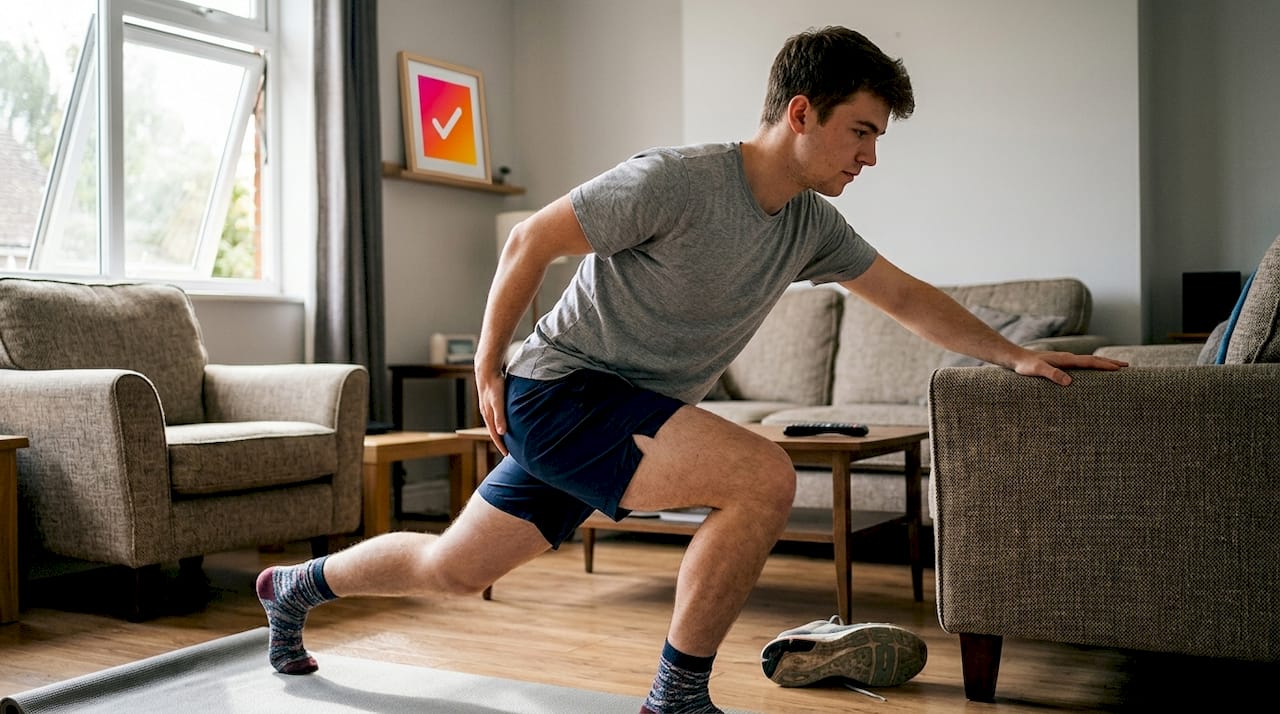
A recent meta-analysis on running economy found no significant effect of acute static or dynamic stretching on running economy, with p-values ranging from 0.21 to 0.65. In plain terms, neither type of stretching will make you dramatically faster or slower in a single session. What matters is building a consistent habit over time.
Here's a quick comparison table:
| Stretching type | Best timing | Primary benefit | Common mistake |
|---|---|---|---|
| Dynamic | Pre-run | Mobility and muscle activation | Skipping it entirely |
| Static | Post-run | Flexibility and recovery | Doing it on cold muscles |
| Both | 2 to 3x weekly | Range of motion improvement | Inconsistent practice |
Common beginner mistakes to avoid:
- Doing static stretches before your muscles are warm
- Holding your breath during a stretch (breathe slowly and steadily)
- Rushing through stretches to save time
- Skipping post-run stretching because you're tired
- Stretching through sharp pain instead of mild tension
Understanding this timing principle is a key part of your beginning race workflow. Getting the sequence right sets you up for better runs and faster recovery.
Common stretching myths and practical mistakes
Having covered types and timing, let's clear the air on some popular misconceptions that hold new runners back.
Myth vs. reality:
| Myth | What the evidence says |
|---|---|
| Stretching prevents injuries | Stretching does not prevent injury or delayed onset muscle soreness (DOMS) |
| You must stretch before every run | Dynamic movement prep matters more than static stretching pre-run |
| More stretching equals better results | Consistency and proper form beat volume every time |
| Painful stretching means it's working | Pain signals potential damage, not progress |
| Flexible runners are faster runners | Flexibility and speed are not directly linked |
Evidence shows that stretching does not prevent injury or DOMS in general, though it does improve flexibility and range of motion (ROM). That's still a valuable benefit, just not the injury shield many people expect.
Here are the practical mistakes to stop making right now:
- Over-stretching: Pushing past discomfort into pain is counterproductive and can cause micro-tears in muscle fibers.
- Skipping the warmup: Stretching cold muscles is less effective and riskier than stretching warmed-up ones.
- Improper form: Rounding your back during a hamstring stretch, for example, shifts stress to your spine instead of your hamstring.
- Inconsistency: Stretching once a week and expecting results is like running once a month and expecting fitness gains.
Pro Tip: If you feel sharp pain, tingling, or notice that an old injury is flaring up during stretching, stop and consult a physical therapist or sports medicine professional. Pushing through real pain is never the right call. Exploring the broader running health benefits is much more rewarding when you stay healthy. Pairing smart stretching with solid running plans keeps your progress on track.
A coach's take: What most guides miss about stretching for beginners
Here's the honest truth that most beginner stretching guides skip over. Stretching is not your most powerful injury prevention tool. The hype around stretching for injury prevention has been largely debunked, and strength training may actually be more effective for keeping runners healthy.
That doesn't mean stretching is useless. It means you should stop treating it like a magic shield and start treating it as one piece of a bigger puzzle. The runners who stay healthy and improve the fastest are the ones who build strength, practice consistent mobility work, and follow a structured plan. They don't obsess over stretching routines.
Our take: prioritize mobility work and basic strength exercises like squats and single-leg deadlifts alongside your stretching. Combine that with effective running habits and a plan that builds mileage gradually. That's the framework that actually works. Stretching is a supportive habit, not the foundation. Build the foundation first.
Build your best running routine with Improvio
You now know what stretches to do, when to do them, and what to stop believing. That's a real advantage heading into your first race. The next step is putting it all together inside a training plan that fits your life.

Improvio builds personalized training plans for new runners that pair smart stretching habits with structured weekly workouts. Setup takes about 60 seconds. You enter your pace, your schedule, and your race date, and we handle the rest. No guesswork. No overwhelm. Just a clear path forward. Explore our step-by-step running plans and see how a guided approach makes every run feel more purposeful. You bring the shoes. We'll bring the plan.
Frequently asked questions
How long should each stretch last for new runners?
Hold each stretch for about 30 seconds, repeating 2 to 4 times per muscle group. This applies to all key static stretches including calf, hamstring, and hip flexor.
Should I stretch before or after running?
Use dynamic stretches before your run to activate your muscles, and save static stretches for after. Static stretching pre-run can actually reduce performance if done on cold muscles.
Can stretching prevent running injuries?
No. Stretching does not prevent injury or DOMS, but it does improve flexibility and range of motion, which supports better movement overall.
What are the best stretches for beginners?
Focus on calf, hamstring, quadriceps, hip flexor, IT band, and lower back stretches. These key static stretches for runners target the muscle groups most stressed during running.
How often should new runners stretch?
Aim for flexibility exercises 2 to 3 times weekly, covering all major muscle groups. Consistency matters more than duration.