

Starting your first race can feel overwhelming. With injury rates near 49% among new runners, preparation matters more than enthusiasm alone. Many beginners rush into training without understanding proper progression, footwear selection, or form basics. This creates unnecessary setbacks and discouragement. You need a clear, evidence-backed checklist that removes guesswork and builds confidence. This guide delivers exactly that, walking you through gear essentials, training strategies, surface choices, and personalization tips to prepare smartly for race day success.
Table of Contents
- Understanding Injury Risks And Criteria For Safe Running Preparation
- Essential Checklist Items: Gear, Training Progression, And Technique
- Comparing Key Running Elements: Training Methods, Surfaces, And Form Techniques
- Making Smart Decisions: Personalizing Your Running Checklist For Race Success
- Ready To Start Your Running Journey With Expert Guidance?
Key takeaways
| Point | Details |
|---|---|
| Injury prevention starts early | Nearly half of novice runners get injured without proper preparation and gradual training methods. |
| Smart progression reduces risks | Run-walk intervals and slow mileage increases protect joints and build sustainable fitness. |
| Gear and form matter equally | Proper footwear matched to your foot type and good running technique prevent common injuries. |
| Personalization drives success | Adapting training schedules to your lifestyle, recovery needs, and baseline fitness yields best results. |
Understanding injury risks and criteria for safe running preparation
You might think running is simple. Just lace up and go, right? Unfortunately, novice runners face nearly 49% injury rate, often with long-lasting effects that derail training plans. Previous injuries compound this risk dramatically. If you have a history of ankle sprains, knee pain, or muscle strains, your vulnerability increases without proper preparation.
Several risk factors stand out for beginners. Rapid mileage increases top the list. Adding too many miles too quickly overwhelms tissues that have not adapted to running stress. Improper form creates inefficient movement patterns that waste energy and strain joints. Body weight extremes, whether too high or too low, also influence injury likelihood. Understanding why running plans matter helps you appreciate structured approaches over random training.
Before starting any program, evaluate these criteria:
- Physical readiness: Can you walk briskly for 30 minutes without pain?
- Surface choice: Do you have access to grass, trails, or softer tracks?
- Footwear quality: Are your shoes designed for running and properly fitted?
- Progression pace: Can you commit to gradual increases rather than aggressive jumps?
"The most common mistake beginners make is doing too much too soon. Your body needs time to adapt to the repetitive impact of running."
Structured plans address these criteria systematically. They build mileage conservatively, incorporate rest days, and emphasize form development. Injury awareness transforms from abstract concern into concrete prevention strategy. When you know what threatens your progress, you can design training that protects against those specific risks.
Essential checklist items: gear, training progression, and technique
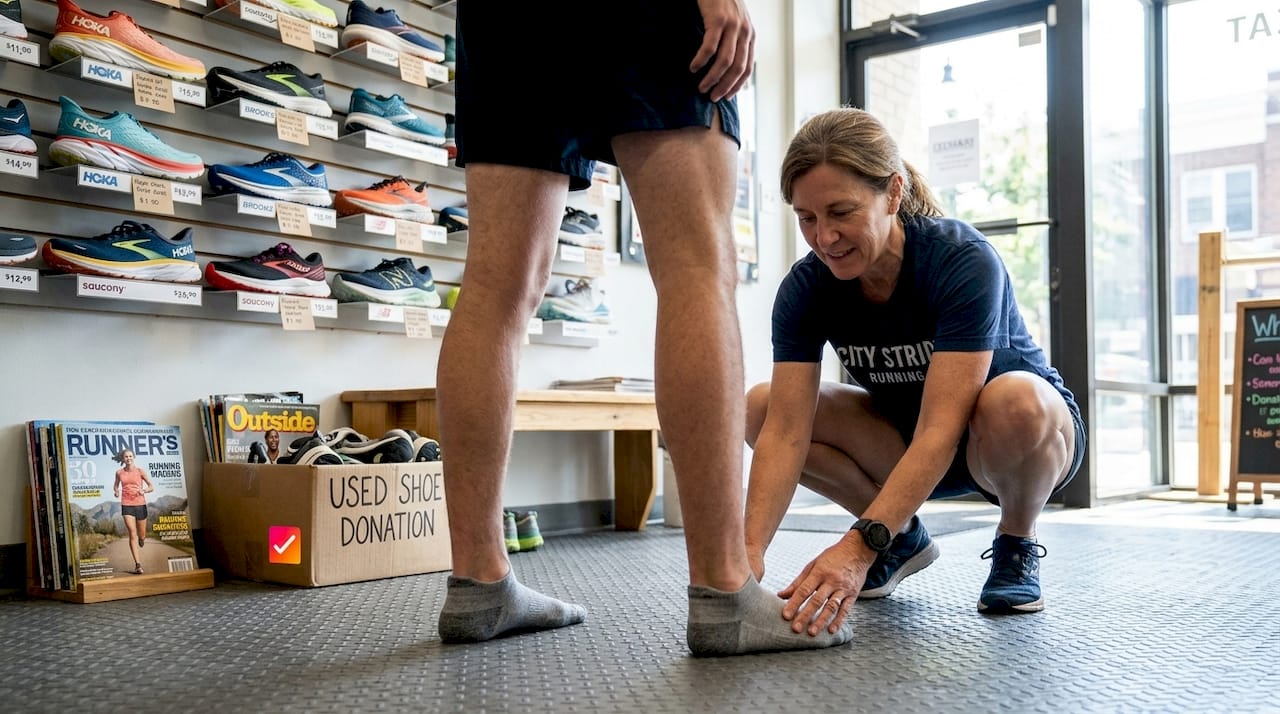
Your checklist starts with proper footwear. Visit a specialty running store for gait analysis. Staff will observe how your foot strikes the ground and recommend shoes that match your pronation pattern. Neutral, stability, or motion control categories exist for good reason. Wearing the wrong type invites shin splints, plantar fasciitis, and knee pain.
Training progression comes next. Gradual build-up via run-walk methods prevents injuries while building endurance safely. Start with intervals like one minute running, two minutes walking. Repeat for 20 to 30 minutes total. Each week, adjust the ratio slightly. Maybe 90 seconds running, 90 seconds walking. This approach lets cardiovascular fitness and musculoskeletal strength develop together. Your beginner running workflow should prioritize consistency over speed.
Surface selection deserves serious attention. Concrete sidewalks create maximum impact forces. Asphalt roads offer slightly more cushioning. Grass, dirt trails, and rubberized tracks provide the best shock absorption. Training mostly on softer surfaces minimizes joint stress during those crucial early weeks. Mix surfaces strategically as fitness improves.
Running form directly influences efficiency and injury risk. Proper running form and stability reduce injury risk in beginners. Focus on these elements:
- Posture: Stand tall with slight forward lean from ankles, not waist
- Arm swing: Elbows bent 90 degrees, hands relaxed, swinging forward and back
- Foot strike: Land midfoot when possible, avoiding heavy heel striking
- Cadence: Aim for 170 to 180 steps per minute to reduce impact forces
Your step-by-step running plan should incorporate form drills weekly. High knees, butt kicks, and A-skips improve coordination. These drills feel awkward initially but pay dividends in smoother, more economical running patterns. Check the running form guide for detailed technique breakdowns.
Pro Tip: Rotate between two pairs of running shoes. This extends shoe life and gives your feet varied support patterns, reducing overuse injury risk. Add simple strength drills like single-leg squats and calf raises twice weekly for better stability.
| Checklist Item | Why It Matters | Action Step |
|---|---|---|
| Proper footwear | Matches your gait pattern, prevents common injuries | Get fitted at specialty running store |
| Run-walk intervals | Builds fitness gradually without overwhelming tissues | Start 1:2 ratio, progress slowly |
| Soft surfaces | Reduces joint impact during adaptation phase | Train on grass, trails, or tracks when possible |
| Form focus | Improves efficiency and reduces injury risk | Practice drills weekly, film yourself |
Comparing key running elements: training methods, surfaces, and form techniques
Understanding your options helps you make informed choices. Different surfaces, foot strike patterns, and training methods each carry distinct advantages and tradeoffs. Let's compare the major elements.
Running surfaces vary dramatically in impact forces and injury risk. Hard surfaces like concrete transmit maximum shock to joints. They are convenient and consistent but unforgiving. Asphalt roads offer slightly better cushioning while remaining accessible. Soft surfaces like grass, dirt trails, and synthetic tracks absorb impact beautifully but may present uneven footing that challenges ankle stability. Most beginners benefit from 70 to 80% of training on softer surfaces during the first three months.
Foot strike patterns influence which injuries you might encounter. Heel strikers land on their heel first, creating higher impact forces that can stress knees and hips. Midfoot strikers land on the middle of the foot, distributing forces more evenly. Forefoot strikers land on the ball of the foot, reducing knee stress but increasing calf and Achilles load. Medium duty factor offers best protection against injuries. Duty factor measures the percentage of stride time your foot contacts the ground. Values between 0.35 and 0.40 correlate with lower injury rates.
Training methods for beginners fall into two camps. Continuous running maintains steady pace throughout the session. This works for experienced runners but overwhelms beginners. Run-walk strategies alternate running and walking intervals, allowing recovery while building endurance. Research consistently shows run-walk methods reduce injury rates and improve long-term adherence. Your running workouts types should emphasize intervals initially, transitioning to continuous running only after establishing a solid base.
| Element | Option A | Option B | Best for Beginners |
|---|---|---|---|
| Surface | Hard (concrete, asphalt) | Soft (grass, trails, tracks) | Soft surfaces reduce impact |
| Foot strike | Heel strike | Midfoot or forefoot | Natural midfoot preferred |
| Training method | Continuous running | Run-walk intervals | Run-walk builds safely |
| Duty factor | Low (<0.35) or high (>0.40) | Medium (0.35-0.40) | Medium protects best |
Explore easy running drills that improve your natural foot strike without forcing artificial changes. Your body often finds efficient patterns when you focus on cadence and relaxation rather than overthinking each step.
Making smart decisions: personalizing your running checklist for race success
Generic advice only takes you so far. Personalizing your approach based on individual factors determines whether you cross the finish line healthy and strong or struggle with setbacks. Start by honestly assessing your baseline fitness and injury history. Can you currently walk 30 minutes comfortably? Have you dealt with recurring joint pain? These answers shape your starting point.
Choose training schedules that fit your lifestyle and recovery capacity. Some beginners thrive on four runs per week. Others need just three to allow adequate recovery between sessions. Structured schedules and personalized plans improve adherence and reduce injury when matched to your reality. A perfect plan you cannot follow helps nobody.
Incorporate these personalization elements:
- Rest days: Schedule at least two complete rest days weekly, more if you are over 40 or carrying extra weight
- Cross-training: Add swimming, cycling, or yoga on non-running days to build fitness without impact stress
- Progressive intensity: Increase either duration or intensity each week, never both simultaneously
- Flexibility windows: Build schedule flexibility for life events, illness, or unexpected fatigue
Adapt checklist items as you gain experience and learn your preferences. Maybe you discover trail running energizes you more than road running. Perhaps morning sessions fit better than evening workouts. Your initial plan provides structure, but personalization makes it sustainable. Review your running training plans guide to understand how different plan types address various goals and constraints.
Monitor your body's signals closely. Muscle soreness that fades within 48 hours indicates normal adaptation. Sharp pain, swelling, or discomfort lasting beyond two days signals potential injury requiring rest or medical evaluation. Distinguishing between productive discomfort and harmful pain takes practice but proves essential for long-term success.
Consider weekly running schedules that balance hard efforts with easy recovery. A typical week might include one interval session, one longer slow run, one easy recovery run, and cross-training or rest on remaining days. This pattern builds multiple fitness qualities while preventing overuse.
Pro Tip: Keep a running journal tracking distance, pace, how you felt, sleep quality, and any niggles or discomfort. Patterns emerge over weeks that reveal what works for your unique body and schedule. This data becomes invaluable for adjusting your plan and preventing injuries before they derail training.
Ready to start your running journey with expert guidance?
You now have a comprehensive checklist covering gear, progression, surfaces, form, and personalization. Implementing these elements consistently separates successful first-time racers from those who struggle with injuries and frustration. But tracking all these details while staying motivated requires support.
Improvio offers personalized running training plans designed specifically for absolute beginners preparing for their first race. The platform creates customized schedules based on your current fitness, available training days, and race date. You get structured progression that follows evidence-based principles, checklist reminders for gear and form focus, and injury prevention tips integrated throughout your plan.

The app takes about 60 seconds to set up and provides free initial planning. You will see exactly what your weekly training looks like, with run-walk intervals, rest days, and gradual mileage increases mapped out clearly. Progress tracking keeps you motivated and helps identify patterns that might indicate injury risk. Your beginner running workflow becomes simple and sustainable when technology handles the planning details.
Explore the step-by-step running plan guide to see how personalized schedules adapt to your unique needs and goals. Every runner's journey looks different. Having expert guidance tailored to your situation makes all the difference.
Frequently asked questions
What is the best way for beginners to prevent running injuries?
Gradually increase your weekly mileage using run-walk methods rather than jumping into continuous running. Focus on developing good form with proper posture, midfoot landing, and appropriate cadence around 170 to 180 steps per minute. Use properly fitted running shoes matched to your gait pattern and train primarily on softer surfaces like grass or trails during your first few months. These strategies address the most common injury causes for new runners.
How should a beginner structure their first running training plan?
Begin with short sessions using run-walk intervals, such as one minute running alternated with two minutes walking, for 20 to 30 minutes total. Increase the running portion gradually each week while decreasing walking time. Incorporate at least two complete rest days weekly and add strength training exercises like squats and calf raises twice per week to improve stability. This structure builds cardiovascular fitness and musculoskeletal strength together, reducing injury risk while developing endurance.
What are key items to include in a beginner's running checklist?
Your checklist must include proper running footwear fitted to your gait pattern, a gradual progression plan with run-walk intervals, focus on good running form and technique, and strategic surface selection favoring softer options. Add strength drills for leg and core stability, scheduled rest days for recovery, and injury awareness practices like monitoring pain signals. These elements work together to create safe, effective race preparation.
Can a structured running plan help a beginner finish their first race?
Absolutely. Structured plans improve fitness systematically, reduce injury risks through appropriate progression, and boost confidence by providing clear daily guidance. Personalized schedules that account for your current fitness level, available training time, and race goals yield the best results. Following a well-designed plan removes guesswork and keeps you on track even when motivation fluctuates, dramatically increasing your chances of crossing the finish line healthy and strong.