
TL;DR:
- Focus on comfort and fit when choosing essential running gear.
- Good shoes and moisture-wicking clothes are crucial for beginner runners.
- Minimal gear and a structured plan are key to building running habits and avoiding burnout.
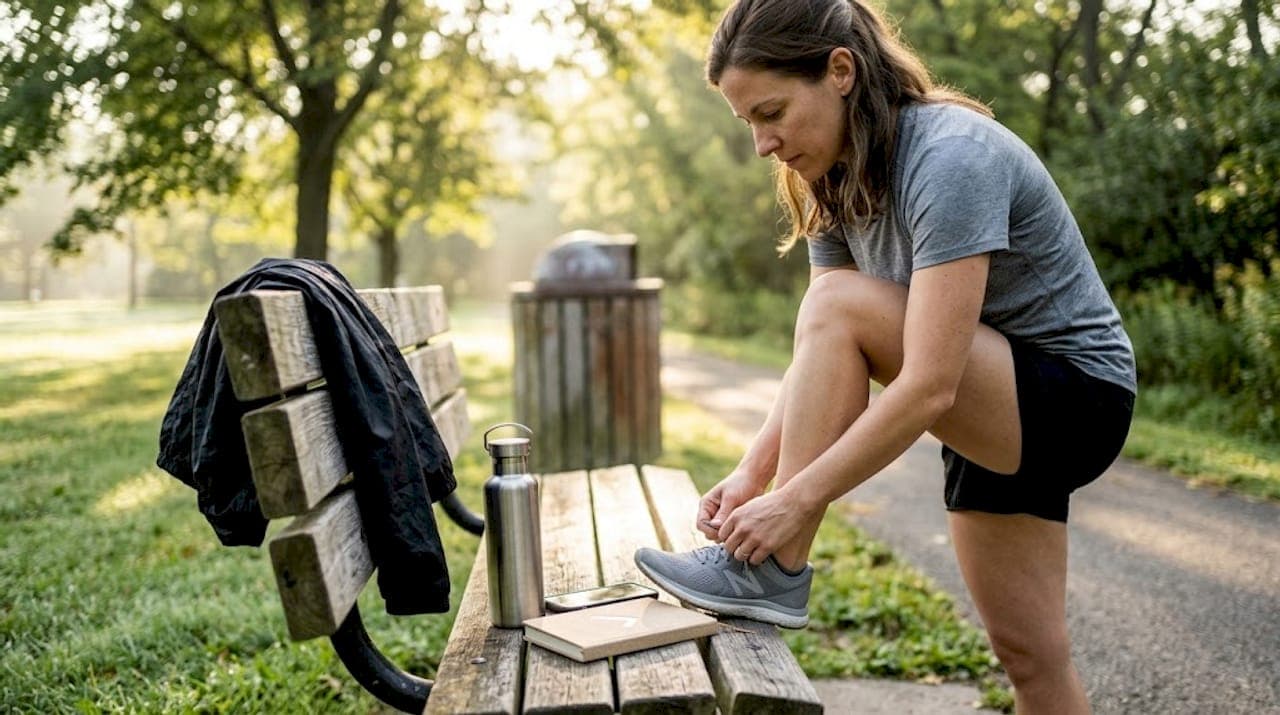
Starting your first race is exciting. But standing in a running store, staring at rows of shoes, shirts, and gadgets, can feel overwhelming fast. What do you actually need? What can wait? Beginners often overcomplicate gear purchases, overlooking the two things that matter most: comfort and fit. This checklist cuts through the noise. We cover shoes, apparel, accessories, and tech, in that order, so you can shop with confidence and focus your energy where it belongs: on training for your first race.
Table of Contents
- How to choose your essential running gear
- Running shoes: The foundation of your checklist
- Essential apparel: Clothing for comfort and performance
- Accessories that boost comfort and performance
- Tech for tracking and motivation: Watches, apps, and more
- Our perspective: Why less gear is more for new runners
- Get support for your first race journey
- Frequently asked questions
Key Takeaways
| Point | Details |
|---|---|
| Comfort is key | Well-fitting, comfortable gear helps you stay motivated and injury-free. |
| Start simple | Focus on the basics—shoes, clothes, hydration—before buying extras. |
| Safety matters | Use weather-appropriate gear and visibility accessories for safer running. |
| Test before race day | Try all gear on training runs to avoid surprises at your first race. |
| Upgrade over time | Add advanced tech or accessories as you learn what you really need. |
How to choose your essential running gear
Before you spend a single dollar, it helps to understand what makes a piece of gear truly essential for a beginner. The short answer: it has to fit well, feel comfortable, and suit the weather you run in. That is it. Everything else is secondary.
New runners often fall into one of two traps. They either buy too much upfront, spending hundreds on gear they never use, or they skip key items and end up with blisters, chafing, or injuries that sideline them early. Neither outcome is helpful when you are just getting started on your beginner running workflow for your first race.
The smartest approach is to start simple. Buy the basics, run in them a few times, and then decide what you actually need more of. Your body will tell you. A few training runs reveal more about your gear preferences than any online review ever could.
Here are the features to prioritize when shopping:
- Fit: Gear that fits well reduces injury risk and improves comfort on every run
- Material: Look for moisture-wicking fabrics that pull sweat away from your skin
- Weather-proofing: Match your gear to your local climate and season
- Adjustability: Waistbands, straps, and laces that you can customize to your body
- Price: Start with mid-range options; you do not need the most expensive gear to run well
Pro Tip: Visit a specialty running store before buying online. Staff can analyze your gait and recommend shoes that match your foot type. This single visit can save you from months of discomfort. Check out this running shoe fit advice before you shop.
If you are just getting started, read up on starting your first race to build a clear picture of what your training will look like before you invest in gear.
Running shoes: The foundation of your checklist
Shoes are the single most important item on your gear list. Full stop. Good fit and appropriate support are the most important factors in running shoes for beginners, according to running experts. Brand name and price tag come second.
A shoe that fits well should feel snug around your heel and midfoot, with about a thumb's width of space between your longest toe and the front of the shoe. Your toes need room to spread naturally. If your foot slides around or feels pinched, the shoe is wrong for you, regardless of how good the reviews are.
Wrong shoes cause real problems. Blisters, black toenails, shin splints, and knee pain are all common consequences of running in poorly fitted footwear. Avoiding these issues early is key to hitting your beginner runner milestones without setbacks.
Your shoes impact every step. Fit is everything.
When you go shoe shopping, bring these items with you:
- Your training socks: The socks you run in affect how the shoe fits, so always try shoes on with them
- Your old shoes: A worn-out pair shows a store specialist how your foot strikes the ground
- Time: Do not rush this purchase; walk, jog, and test different pairs in the store
Also consider the surface you will run on most. Road shoes are built for pavement. Trail shoes offer more grip for uneven terrain. As a beginner, road shoes are usually the right starting point.
The CDC recommends replacing running shoes every 300 to 500 miles. Mark the date you start using a new pair so you know when it is time for a replacement. This habit protects your joints and keeps your runs feeling fresh.
Essential apparel: Clothing for comfort and performance
Once your shoes are sorted, build your outfit from the ground up. The goal is simple: stay comfortable, stay dry, and avoid chafing. Moisture-wicking fabrics reduce the risk of chafing and overheating, which makes them a non-negotiable for any runner.
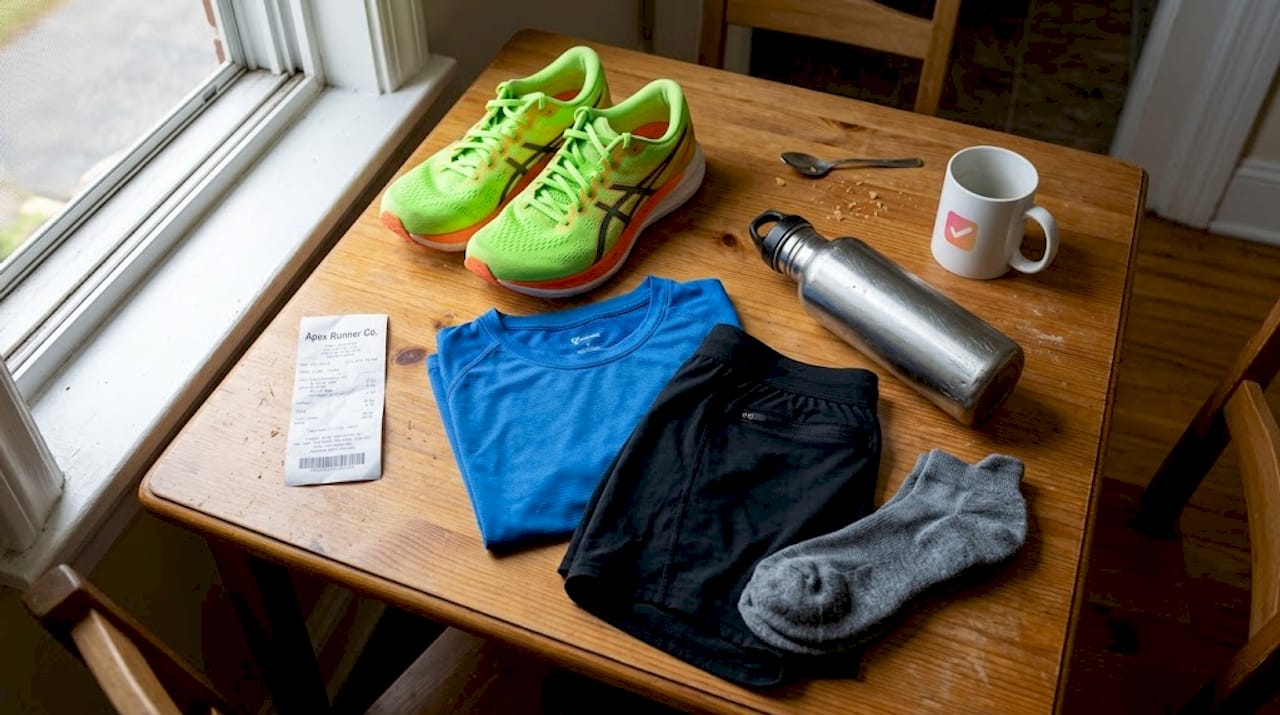
Cotton feels soft off the rack, but it absorbs sweat and holds it against your skin. On a long run, that leads to irritation fast. Stick to synthetic fabrics like polyester or nylon, or opt for merino wool, which is naturally odor-resistant and temperature-regulating.
Here is a quick breakdown of must-have apparel by body part:
- Top: Moisture-wicking short or long sleeve shirt depending on the season
- Bottom: Running shorts with a built-in liner, or running tights or leggings for colder weather
- Socks: Thin, moisture-wicking running socks that fit snugly without bunching
- Sports bra (if applicable): High-impact support to reduce bounce and discomfort
- Jacket or vest: A lightweight, wind-resistant layer for cold or rainy days
- Hat or visor: Sun protection and sweat management on warm runs
Pro Tip: Invest in synthetic or merino wool socks before anything else in your apparel kit. Cheap cotton socks are the number one cause of blisters for new runners. This one swap makes a noticeable difference immediately.
For a full breakdown of what to wear on race day versus training days, check out this beginner's running checklist. And if you want to know how to time your gear testing within your training weeks, the beginner running schedule lays it out clearly. For more options, browse top running clothes reviewed by experts.
Accessories that boost comfort and performance
With core clothing sorted, the right accessories keep your runs safer and more comfortable. You do not need all of them on day one. But a few basics make a real difference, especially as your runs get longer.
Hydration and sun protection are crucial, even for beginner runners, especially on longer runs. Start with these must-haves:
Must-have accessories:
- Water bottle or handheld flask: Stay hydrated on runs longer than 30 minutes
- Sunscreen: Apply before every outdoor run, regardless of cloud cover
- Cap or visor: Shields your face and keeps sweat out of your eyes
- ID band or road ID: Carries your emergency info in case of an accident
Optional extras:
- Running belt: Holds your phone, keys, and gels without bouncing
- Sunglasses: Reduce eye strain on bright days
- Reflective vest or clip-on light: Essential if you run before sunrise or after dark
- Compression socks: Help with recovery after long runs
Here is a quick comparison to help you choose your hydration setup:
| Hydration option | Pros | Cons |
|---|---|---|
| Handheld flask | Easy to access, lightweight | One hand occupied the whole run |
| Running belt with bottle | Hands-free, holds extras | Can bounce if not fitted well |
| Hydration pack | Carries the most water | Heavier, warmer on your back |
For most beginners, a handheld flask or a simple running belt is the right call. Save the hydration pack for longer trail runs. Your race preparation guide has more detail on what to carry on race day specifically.
Tech for tracking and motivation: Watches, apps, and more
After gearing up with the essentials, you can use technology to stay on track, measure progress, and stay motivated. Technology can be a major motivator and helps new runners track progress in real time.
You have three main options: your smartphone with a free app, a basic GPS watch, or a heart rate monitor. Each has its place.
Features to look for in running tech:
- Distance and pace tracking
- Audio cues that update you mid-run
- Route mapping and history
- Training plan integration
- Progress sharing or community features
Here is a quick look at popular options for beginners:
| Tool | Best for | Cost range |
|---|---|---|
| Free running app (e.g., Nike Run Club) | Tracking pace and distance | Free |
| GPS watch (entry-level) | Hands-free tracking, no phone needed | $100 to $200 |
| Heart rate monitor | Monitoring effort and recovery | $30 to $80 |
Pro Tip: Do not overpay on tech when you are starting out. Many top running apps are completely free and offer everything a beginner needs, including guided runs and pace alerts. Start free, upgrade only if you find yourself wanting more data.
For a deeper look at how devices and apps support your training, visit technology for new runners and the full run tracking basics guide.
Our perspective: Why less gear is more for new runners
Here is something most gear guides will not tell you: buying more does not make you a better runner. It just makes you a runner with more stuff.
We have seen it happen repeatedly. New runners invest heavily in GPS watches, compression gear, and foam rollers before they have run a single mile. Then they drop out after three weeks, and the gear collects dust.
The truth is, your first priority is building the habit of running. Confidence comes from showing up consistently, not from owning the right gadgets. A pair of well-fitted shoes and moisture-wicking clothes will carry you through your first several weeks of training without issue.
After a month of consistent runs, you will know exactly what you are missing. Maybe your feet need more cushioning. Maybe you want a belt to carry your phone. That knowledge comes from experience, not from a shopping list.
Follow a structured running fitness plan first. Let your gear needs reveal themselves naturally. Then upgrade with purpose.
Get support for your first race journey
You now have a clear picture of what gear to buy and what to skip. But gear is just one piece of the puzzle. The other piece is having a training plan that actually fits your schedule, your pace, and your race date.
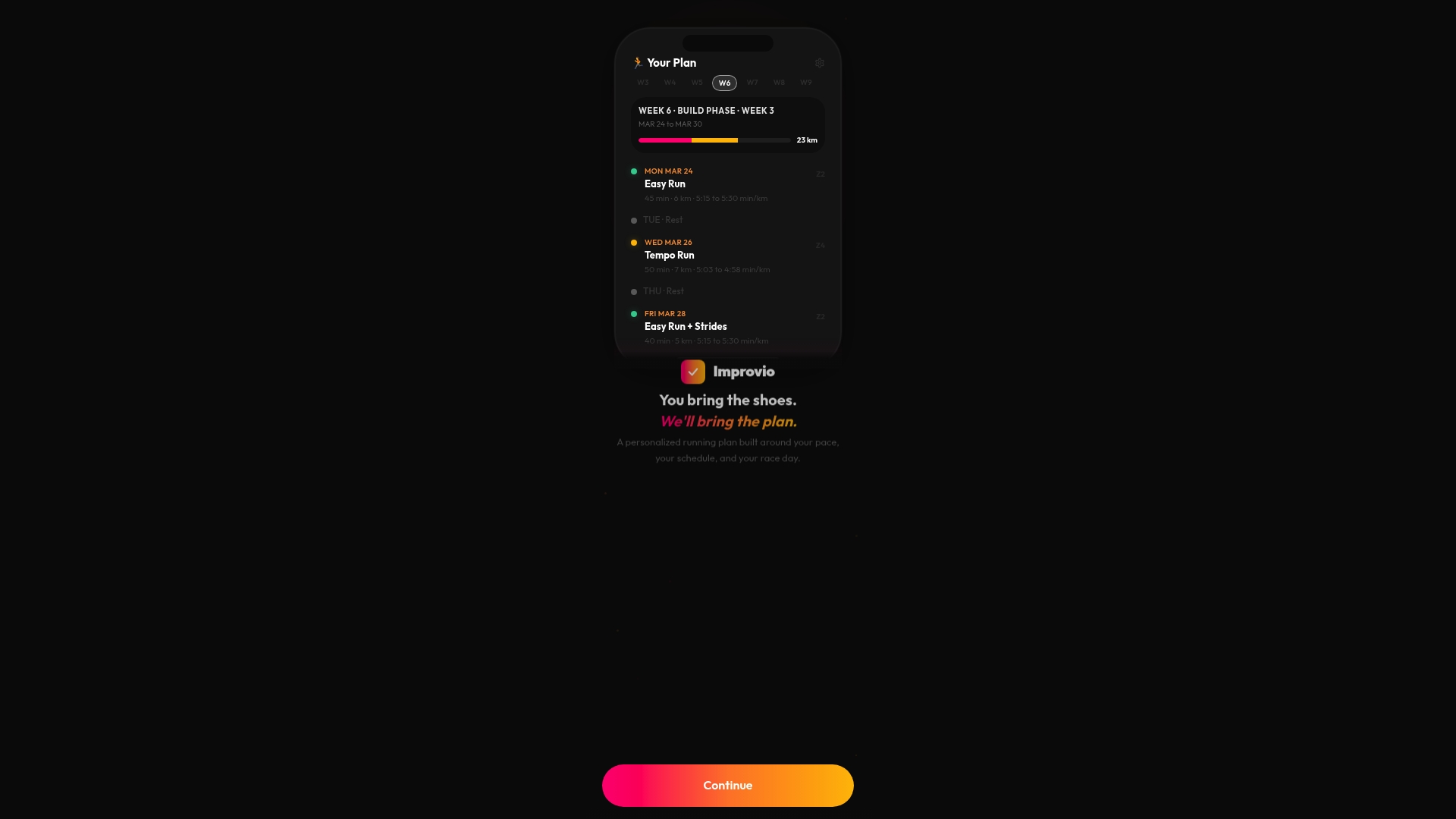
That is exactly what Improvio is built for. In about 60 seconds, you can generate a personalized running plan designed specifically for beginners. No experience needed. No guesswork. Just a clear, week-by-week schedule that takes you from your first easy run all the way to race day. You bring the shoes. We will bring the plan.
Frequently asked questions
Do I really need special running shoes as a beginner?
Yes. Running shoes provide key support for preventing injury that generic sneakers simply cannot match, especially once your mileage starts to build.
What is the minimum amount of gear I need to start running?
A comfortable pair of running shoes, moisture-wicking clothes, and a way to hydrate are enough to begin. As the CDC notes, you need only basic gear to get started safely.
Are running apps or watches necessary for beginners?
They are helpful but not required. Tracking progress can boost motivation, but your first goal is simply to run consistently.
How do I prevent blisters and chafing on my first runs?
Wear moisture-wicking socks and well-fitted clothes. Reducing friction and keeping your feet dry are the two most effective strategies.
Is there a difference between men's and women's running gear?
Yes, mainly in fit and support. Fit and support should always guide your choice, regardless of how the gear is labeled.